
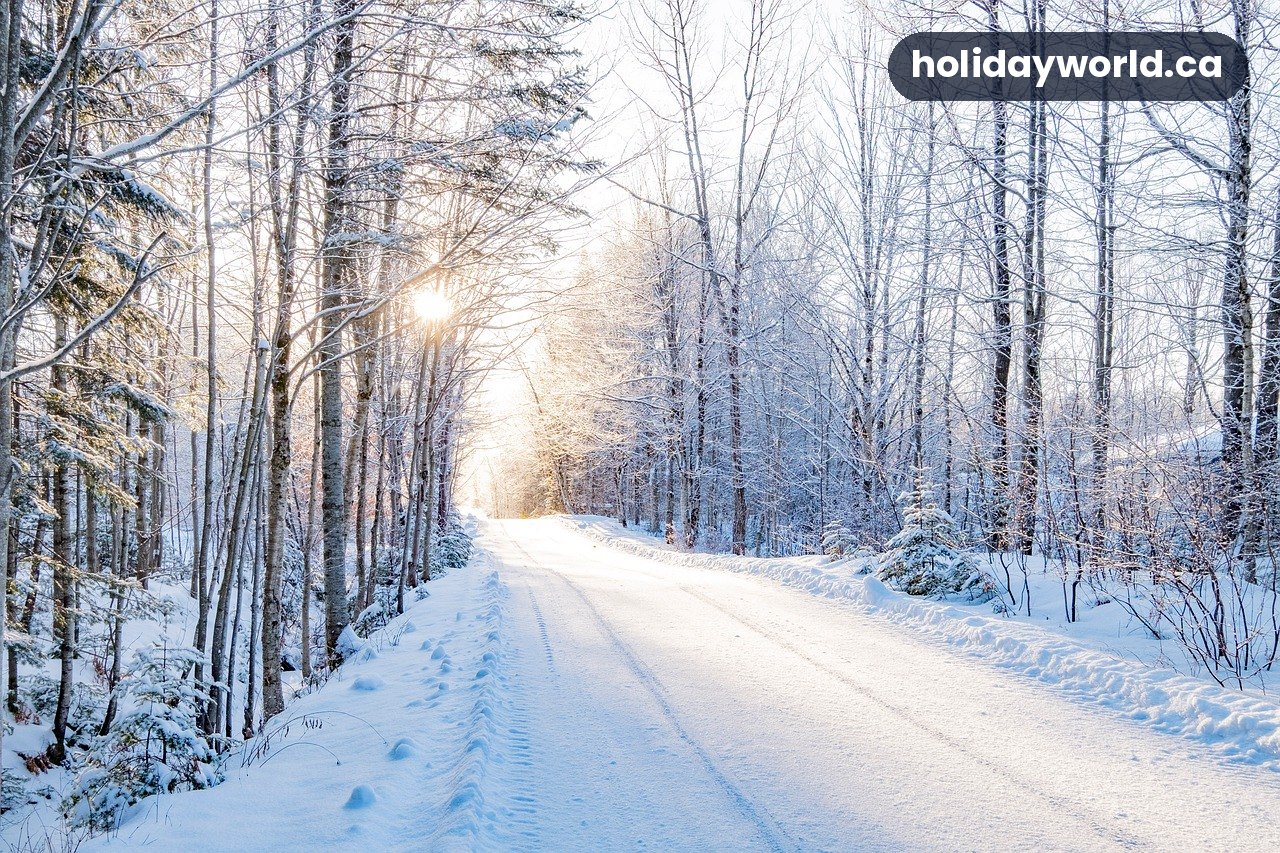
Quebec City in winter is built for cold-weather travellers: old stone streets, snow-covered parks, skating, ice sculptures, and a festival atmosphere that feels distinctly local. The Winter Carnival is a strong pick for Canadians who want a short winter escape with culture, food, and outdoor fun packed into a compact city. From Toronto, Montreal, Ottawa, Calgary, Edmonton, or Vancouver, you can usually find a workable flight into Quebec City, with fares that often range from roughly $250 to $700 CAD return depending on season and booking timing; check current prices before you plan. If you enjoy winter cities, family trips, or a festive couples’ getaway, this is one of the easiest big winter events in Canada to plan around.
Why go to Quebec City for Winter Carnival
The Winter Carnival is one of Quebec’s best-known seasonal events, and it suits travellers who like their winter trips active rather than passive. You can mix time outdoors with meals, cafés, and neighbourhood walks, then warm up in a hotel or restaurant before heading back out again.
Quebec City also has a strong sense of place. The fortified old city, the plains above the river, and the surrounding neighbourhoods all feel different in winter. Even outside the festival programming, the city itself gives you plenty to do. That matters if you’re coming from another Canadian city and want more than a single event day.
This trip works well for families, couples, and solo travellers. Families will find snow-based activities and plenty of open space. Couples tend to like the atmosphere and good dining. Solo travellers can enjoy the city at a slower pace, with enough public activity to feel lively without being overwhelming.

Best time to visit
Winter Carnival usually takes place in the coldest stretch of the year, which is exactly the point. Expect real winter conditions: snow on the ground, sub-zero temperatures, wind, and a good chance of icy sidewalks. That kind of weather is part of the experience, so pack for it rather than hoping for a mild spell.
If your main goal is the carnival itself, plan your trip around the festival dates and book early. Hotel rates and flight prices often rise during the event period. If you want a quieter visit with the same snowy look, the weeks before or after the festival can be a little easier on your budget, though the city will still feel wintry.
The best time for first-timers is usually midwinter, when the snow cover is more reliable and the city feels at its seasonal peak. For anyone sensitive to cold, a shorter stay of two or three nights is a smart way to experience the carnival without being outside for too long at a stretch.
Getting there from Canada
Quebec City is straightforward to reach from major Canadian airports, though the exact options change by season. Flying into Jean Lesage International Airport is usually the most practical route if you’re coming from Toronto, Montreal, Ottawa, Calgary, Edmonton, Vancouver, or Halifax. From Montreal and Ottawa, some travellers also choose to drive or take the train, depending on schedules and weather.
From Toronto, flight time is often around 1.5 hours. From Montreal and Ottawa, it’s typically even shorter. From Calgary, Edmonton, and Vancouver, expect a longer trip with at least one connection on many dates. Always check current schedules and fares, since winter travel can shift quickly.
From the airport, getting into the city is usually simple by taxi, rideshare, or shuttle-style transport when available. Once you’re in central Quebec City, many of the main festival areas and attractions are easy to reach on foot or by local transit. That makes the city a good choice if you’d rather avoid winter driving in an unfamiliar place.
Top things to do at Winter Carnival
See the main festival sites and outdoor activities
The carnival is spread across several areas, so part of the appeal is moving between sites and seeing how the city uses winter. Expect outdoor installations, themed spaces, and activities that change from year to year. Some experiences are included with festival access, while others may require separate tickets. Check the current programme before you go so you know what’s free and what isn’t.
If you’re travelling with children, this is where the festival often feels the most interactive. If you’re travelling without kids, the same areas can still be fun for photos, people-watching, and a general sense of winter celebration.
Visit the Old Quebec area in winter
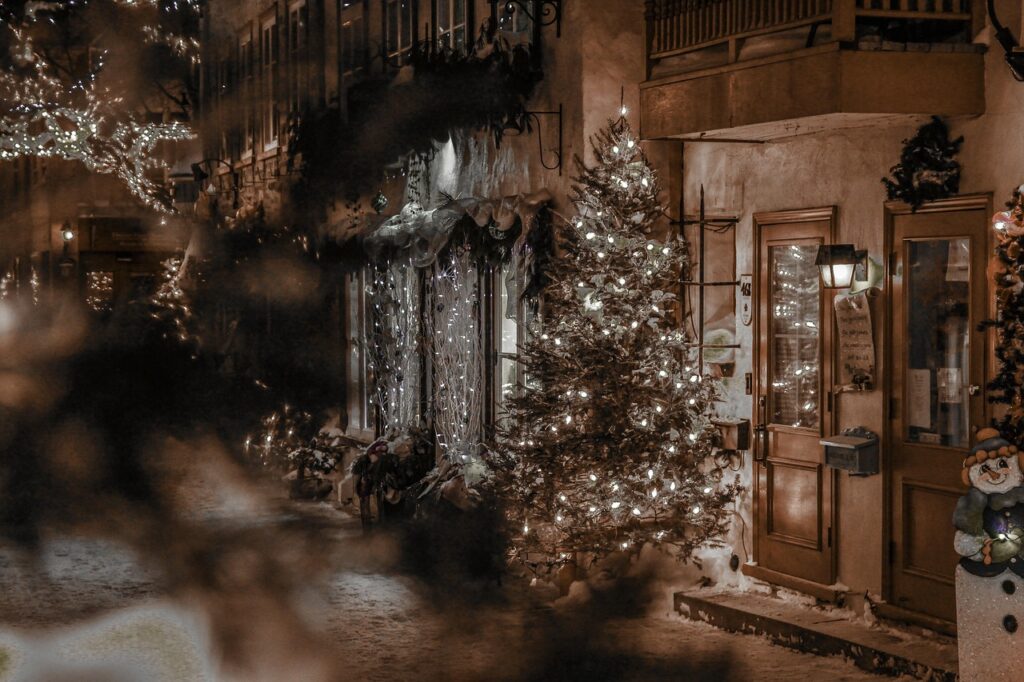
Old Quebec is the part of the city most Canadians picture first, and winter suits it well. The narrow streets, stone buildings, and historic setting look especially striking under snow. You don’t need to rush through it. A slow walk is enough to understand why this area remains the centrepiece of so many Quebec City trips.
Make time for the upper town and the lower town, and dress properly. Sidewalks can be slippery, especially after fresh snow or freeze-thaw cycles. Good boots matter more than most travellers expect.
Go skating, sliding, or snowshoeing
Winter Carnival is a good excuse to try classic Canadian winter activities in the middle of a city break. Depending on the year’s programming and the conditions, you may find skating, sledding, or snowshoe-friendly spaces nearby. These activities are part of what makes the event feel active rather than purely decorative.
If you already skate or snowshoe at home, great. If not, this is still a manageable place to try something new, since the city supports winter recreation well. Bring gloves you can move in and socks that keep your feet warm even after an hour outside.
Sample Quebec food and warm up indoors
The food side of a Quebec City trip matters in winter. Hearty meals, cafés, and bakeries become part of the itinerary because you’ll likely want regular breaks from the cold. This is a good place to try classic Quebec dishes and simple comfort food between festival stops.
Budget some time for indoor pauses. A long lunch or a slow dinner helps balance the day and keeps the trip from turning into a series of cold walks between attractions.
Take in winter views from the river and the heights
Quebec City’s winter views are part of the appeal, especially when snow softens the landscape along the St. Lawrence River and on the city’s higher streets. Even if you’re not chasing every festival activity, a view-based stop can make the trip feel complete.
Bring a camera or use your phone, but keep batteries warm. Cold weather drains them quickly, and there’s nothing more frustrating than losing power right when the light is best.
Where to stay
For a Winter Carnival trip, location matters more than luxury. Staying close to Old Quebec or in the nearby central districts usually makes the most sense, especially if you plan to walk to restaurants, festival areas, and historic streets. That way you spend less time dealing with winter transit or parking.
Old Quebec is the most atmospheric choice, but it can also be the priciest. If you want better value, look at areas just outside the historic core where you can still reach the main sites easily by taxi or transit. Saint-Roch is often a practical option for travellers who want restaurants and a more modern city feel. Saint-Jean-Baptiste can also work well for those who want a lively area with easy access to the old city on foot or by a short ride.
During carnival season, book early. A lot of visitors want to stay close to the action, and that pushes up rates. For a midrange hotel, a rough winter range is often about $180 to $350 CAD a night, while higher-end central properties can climb to around $400 to $700 CAD or more. Check current prices before you commit.
Suggested 3-day itinerary
- Day 1: Arrive, settle into your hotel, and take an easy walk through Old Quebec. Keep the first day light so you can adjust to the temperature and the sidewalks. Finish with dinner indoors and an early night.
- Day 2: Spend the morning and afternoon at Winter Carnival activities and nearby outdoor spots. Build in time for snacks, hot drinks, and a pause in the middle of the day. In the evening, return to the old city for a slower walk and a relaxed meal.
- Day 3: Use your final day for one more festival stop, a winter viewpoint, or a last loop through the historic district before heading to the airport. If your flight is later in the day, keep your schedule flexible in case of weather delays.
If you have four days, add more time for museums, neighbourhood wandering, and a proper meal without rushing. That extra day can make a big difference if you’re travelling with kids or if you want a calmer pace.
Budget planning
Costs vary a lot depending on how early you book and how close you stay to the festival area. Winter Carnival can be affordable if you plan ahead, but last-minute trips often cost more. Here’s a realistic starting point in Canadian dollars.
- Flights from Canada: roughly $250 to $700 return from Toronto, Montreal, Ottawa, Calgary, Edmonton, or Vancouver, depending on route and timing
- Hotel: roughly $180 to $350 a night for midrange options, or $400 to $700+ for higher-end central stays
- Festival tickets or activities: roughly $20 to $100+ per person depending on what you choose and what’s included
- Meals: roughly $20 to $40 for casual meals, or $50 to $100+ per person for dinner with drinks
- Local transport: roughly $15 to $40 a day if you’re using taxis, rideshares, or transit instead of walking everywhere
- Winter gear extras: roughly $30 to $150 if you need to buy gloves, socks, hand warmers, or other cold-weather basics
Always check current prices before you book, especially for hotel rates during carnival dates.
Practical tips for Canadian travellers
- Dress for real winter. Layering matters. Bring a thermal base layer, insulated outerwear, waterproof boots, hat, gloves, and a scarf or neck warmer.
- Choose footwear carefully. Ice and packed snow are common. Boots with good traction are worth the space in your luggage.
- Plan for shorter outdoor stretches. It’s easier to enjoy the carnival if you alternate outside time with warm indoor breaks.
- Book early. Flights and hotel rooms tend to sell well during the festival period.
- Watch the weather. Winter conditions can affect flights and ground transport. Leave some buffer in your plans.
- Check official travel guidance. For up-to-date advice on safety, health, and entry requirements, consult the Government of Canada travel advice at travel.gc.ca and official local sources before you go.
- Carry a charged phone battery. Cold weather drains power faster than you might expect.
Frequently asked questions
Is Quebec City Winter Carnival good for first-time visitors?
Yes. It’s especially good for first-time visitors who want a winter city break with a clear focus. The event gives you a reason to plan your days, and the city’s central areas are easy to explore without a car.
How cold is it during the carnival?
Usually cold enough that proper winter clothing is essential. Expect sub-zero temperatures, wind, and slippery sidewalks. Exact conditions vary from year to year, so check the forecast before you leave.
Do I need a car in Quebec City during Winter Carnival?
Usually no. If you stay in or near the old city, you can walk to many places and use taxis or transit when needed. A car can actually be more trouble than it’s worth in snowy, busy conditions.
How far in advance should I book?
For the best choice of flights and hotels, book as early as you can once your dates are set. Carnival season is popular, and central rooms often sell out before the festival begins.
Is it worth going if I don’t love winter?
It can still be worth it if you enjoy city breaks, food, and festive energy. That said, this is a true winter trip. If you dislike cold weather, keep the visit short and plan plenty of indoor time.