
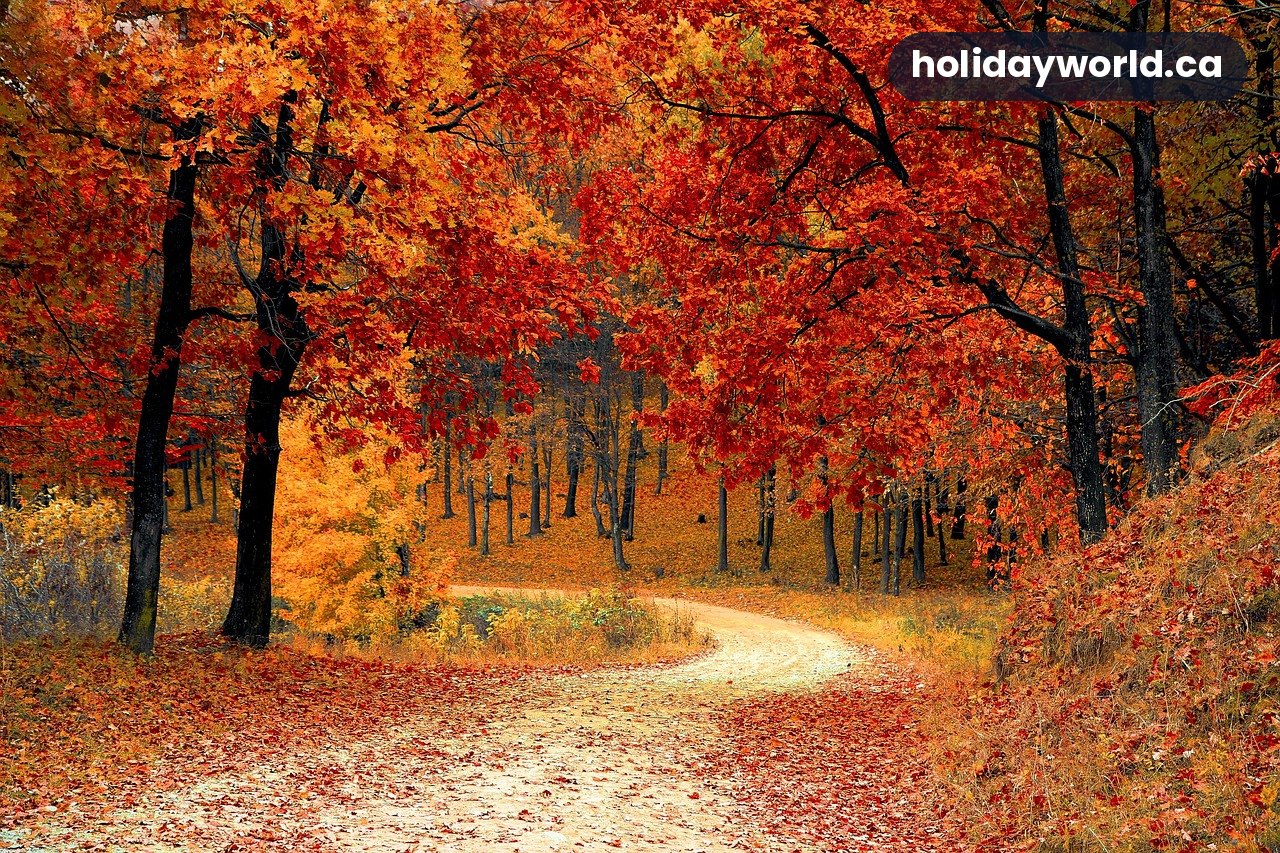
The Cabot Trail in Cape Breton, Nova Scotia is one of Canada’s best autumn drives, especially for travellers who want ocean views, highland look-offs and a route that feels rewarding without needing weeks on the road. Fall is the season most people come for, and from Toronto, Montreal, Halifax, Calgary, Edmonton or Vancouver, you’ll usually be looking at a flight into Halifax or Sydney plus a rental car. Expect roughly $350 to $900 CAD per person for flights depending on where you’re starting, when you book and how many connections you need, and check current fares before you commit.
This trip suits road-trippers who like a mix of scenery and short hikes, couples planning a scenic escape, and families or friend groups who don’t mind a fair amount of driving in exchange for big views. The Trail is not long in distance, but it is a route you’ll want to slow down for. In autumn, the hills can turn bright gold, orange and red while the sea stays steel-blue and moody. That contrast is the whole draw.
Why go in fall
Autumn is the easiest time to see the Cabot Trail at its most dramatic. The weather is cooler and often crisp, the skies can be especially clear after a front moves through, and the forests along the route usually start changing colour from late September into mid-October, with timing shifting by elevation and year. Higher areas in Cape Breton Highlands National Park often colour first, while lower spots around the coast can hold on a little longer.
Compared with summer, fall usually brings thinner crowds, easier parking at look-offs and a quieter feel in communities along the route. That matters on a road trip, because you can stop more often without feeling rushed. You’ll still want to plan ahead, though. Some tourism services and seasonal dining spots wind down after peak summer, and weather can turn quickly on the high ground. Bring layers, a rain jacket and a flexible schedule.

Best time to plan your trip
For fall colours, late September through mid-October is the window most travellers target. If your priority is the best foliage, aim for early to mid-October and keep an eye on local updates before you leave. If you want slightly warmer driving weather and less chance of early wind or rain, the last week of September can be a sweet spot. The exact timing changes year to year, so don’t lock your entire itinerary too tightly around a single day.
Summer is still the easiest season for long daylight hours and open services, but it is busier. Late spring and late autumn can be lovely for quieter roads, though weather becomes less predictable. Winter is a different kind of trip altogether and is best left to travellers who are comfortable with snow, ice and shorter daylight.
Getting there from Canada
Most Canadian travellers fly into Halifax Stanfield International Airport, then drive about 4.5 to 5.5 hours to reach the Cabot Trail region, depending on where you overnight and how many stops you make. Sydney, Nova Scotia is the closer airport for eastern Cape Breton, but schedule options are more limited, so many people find Halifax easier to arrange. From Montreal or Toronto, the air portion is usually manageable with straightforward eastbound travel, while trips from Calgary, Edmonton and Vancouver often involve connections. Flight times can vary widely, so compare options early.
Once you land, renting a car is the simplest way to do the route. Book early if you’re travelling in peak foliage season, because availability can tighten up. A mid-size rental for a few days may run roughly $70 to $150 CAD a day before fuel, insurance and taxes, though rates can move a lot. Check current prices and read the fine print on mileage, damage coverage and winter or gravel-road rules if your plans extend late into the season.
The Cabot Trail is usually driven clockwise or counterclockwise as a loop, with many travellers starting in Baddeck or Ingonish. Either direction works. Choose the one that fits your arrival time, where you’re staying and the sights you care about most. The route includes long stretches where fuel stations and services are limited, so don’t let the tank run low.

Top things to do along the Cabot Trail
Drive the highland viewpoints
The main event is the drive itself. Several look-offs along the route give you views over the Gulf of St. Lawrence, broad valleys and forested ridges that glow in autumn. Pull over often. The best fall road trip is the one where you actually stop for the scenery instead of trying to cover the whole route quickly. In cooler weather, some of the clearest views arrive in the morning after mist lifts.
Walk a short section in Cape Breton Highlands National Park
The park is the place to stretch your legs. You don’t need a big hiking commitment to enjoy it. Shorter trails and boardwalk-style walks are a good match for a road trip day, especially if the weather is uncertain. The Skyline area is one of the best-known spots for coastal views, but there are other trails and look-offs worth adding if you have time. Bring sturdy footwear, because autumn can mean wet leaves, damp ground and a chill in the air.
Stop in Cheticamp
Cheticamp sits on the western side of Cape Breton and gives the trip a strong Acadian flavour. It’s a sensible place to pause for food, gas and a bit of local culture. The town is also a good base if you want to explore the nearby park areas without changing hotels every night. In fall, it can be especially pleasant to pair a scenic drive with a quieter evening by the water.
Spend time in Ingonish
Ingonish is a useful eastern-side base for travellers who want to split the Trail into more than one day. It gives you access to beaches, park access and several scenic drives nearby. The area works well for sunrise or early-evening light, when the coastline can look especially sharp against the autumn hills. If you’re planning a two- or three-night trip, this is one of the easiest places to slow down.
Explore Baddeck
Baddeck is a popular starting or ending point for the loop and a practical place to sort out an overnight stay. It sits on the Bras d’Or Lake side of Cape Breton, so you get a different landscape than the ocean-facing sections of the Trail. The village is compact and easy to manage, with enough services to make road-trippers comfortable. For many Canadians, it’s the best spot to arrive, settle in and drive the route in stages.
Where to stay
For a fall Cabot Trail trip, the most practical approach is to split your time between two bases rather than changing hotels every night. Baddeck works well for the south side of the loop and for travellers who want an easier first or last night. Ingonish is a strong choice for people who want to be closer to the national park and coastal scenery. Cheticamp is another good option if you want to focus on the western side and reduce backtracking.
Cabot Trail lodging is a mix of inns, motels, cottages, cabins and small hotels. In autumn, many places are still open, but not every seasonal property stays available deep into October. Expect roughly $140 to $300 CAD per night for standard rooms or simple cottages, and more for premium ocean views or larger spaces. Book early for the most convenient locations, especially around peak colour weekends. Check current rates and cancellation rules before you lock anything in.
Suggested 3-day itinerary
- Day 1: Arrive in Halifax or Sydney, pick up your rental car and head to Baddeck or another central base. If you land early enough, build in a relaxed drive and a waterfront dinner rather than pushing straight to the highlands after a long flight.
- Day 2: Drive the Cabot Trail’s western side toward Cheticamp, stopping at look-offs and taking a short hike in Cape Breton Highlands National Park. Leave time for a slower lunch and a few unscheduled photo stops. This is the day when autumn scenery usually feels most rewarding.
- Day 3: Continue along the northern and eastern sections toward Ingonish and back to your base, or add a second night in Ingonish if you’d rather not rush. If your schedule allows, make this a lighter day with a beach walk, a short trail and an early evening drive back under changing light.
If you have a fourth day, use it to linger. That extra time makes a big difference on a route where weather, traffic and photo stops can all slow you down. It also gives you room to enjoy Cape Breton without feeling as if you’re racing the loop.
Budget for a Cabot Trail fall road trip
- Flights from Canada: roughly $350 to $900 CAD per person from major cities, depending on departure point, connections and booking time.
- Rental car: roughly $70 to $150 CAD per day before insurance, fuel and taxes.
- Fuel: roughly $80 to $180 CAD for a short road trip, depending on your route, vehicle and current gas prices.
- Lodging: roughly $140 to $300 CAD per night for standard rooms, cottages or inns, with higher rates for premium views.
- Food: roughly $50 to $120 CAD per person per day if you mix casual meals with some groceries or picnic stops.
- Park passes and activities: roughly $0 to $40 CAD per person for most basic sightseeing days, depending on what you do and which fees apply. Check current prices.
Practical tips
- Book your car and lodging early if you’re aiming for the peak fall-colour window.
- Fill the gas tank before long stretches. Services can be spaced out.
- Pack layers, gloves and a rain shell. Coastal weather changes fast.
- Start your driving day early to catch softer light and less traffic at the most popular look-offs.
- Keep your schedule loose enough to wait out fog, rain or strong wind.
- Bring snacks and water, especially if you plan to hike or stop often.
- Use offline maps or download directions in case mobile service drops in remote areas.
- Check road conditions, park notices and the Government of Canada’s travel advice at travel.gc.ca before you go.
Frequently asked questions
How many days do you need for the Cabot Trail?
Two full days is enough for a quick loop, but three or four days gives you a much better pace. That lets you stop for hikes, viewpoints and meals without feeling rushed.
What is the best month for fall colours?
Early to mid-October is often the safest bet, though late September can also be excellent. Timing depends on the weather and elevation, so check local foliage updates closer to your trip.
Can you drive the Cabot Trail in one day?
You can, but it’s a long day with limited time for stops. If you want to enjoy the scenery properly, an overnight stay is the better choice.
Is the Cabot Trail a good trip for first-time road-trippers?
Yes, as long as you’re comfortable with winding roads and a moderate amount of driving. The route is straightforward, and the scenery makes the effort feel worthwhile.