
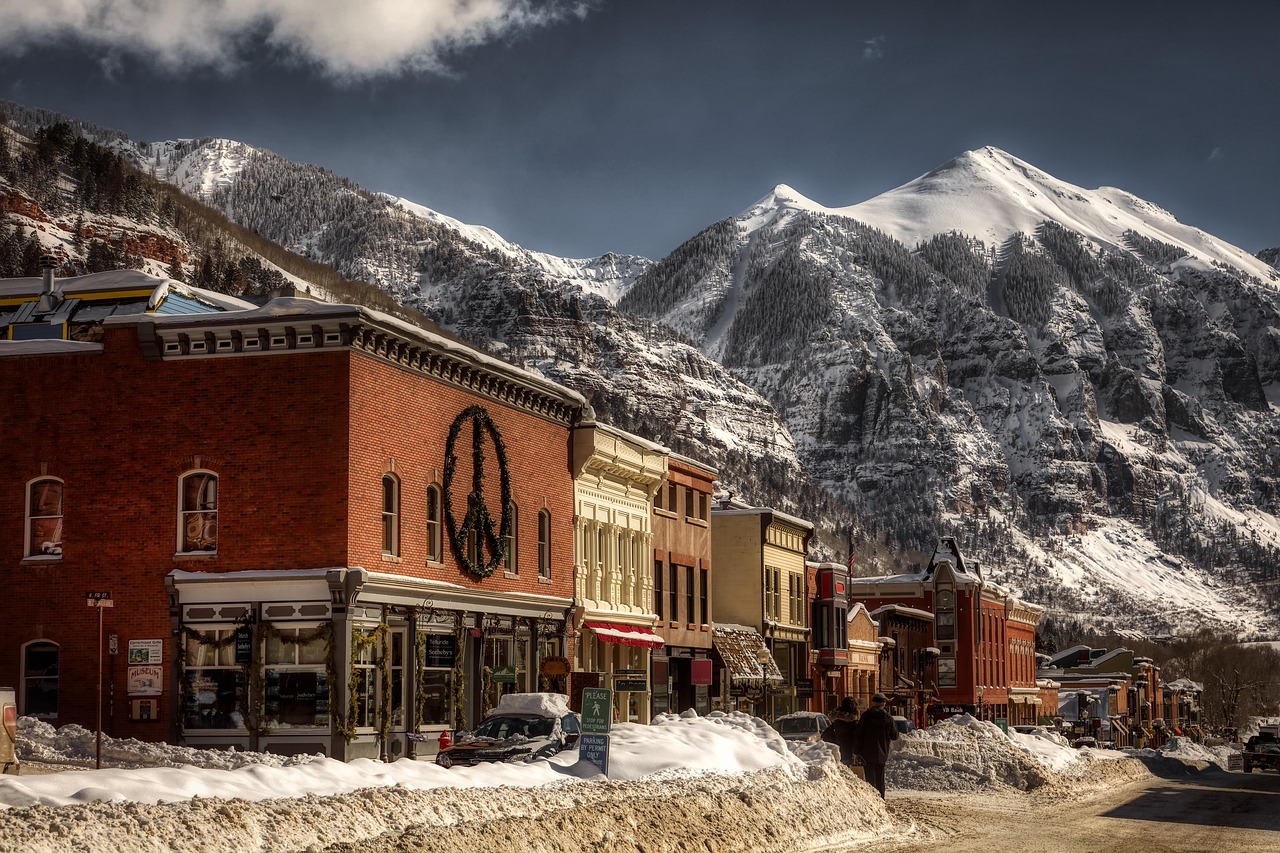
Banff in winter is the kind of trip that makes Canadian travellers fall in love with the Rockies all over again: snowy peaks, steaming hot springs, frozen waterfalls and a town that is busy enough to feel lively but still easy to navigate for first-timers. It is a great fit for couples, families, solo travellers and anyone planning a winter escape from cities like Calgary, Edmonton, Vancouver, Toronto or Montreal. If you want a trip that combines scenery with straightforward logistics, this guide covers what to expect, when to go, how to get there from Canada, and how to plan a winter Banff getaway without overcomplicating it.
Why go to Banff in winter
Banff National Park is one of Canada’s best-known mountain destinations, and winter changes the whole mood of the place. The lakes freeze, the trails quiet down, and the peaks often look especially dramatic against a blue-sky day. For first-time visitors, that can make Banff feel more manageable than summer, when the park is much busier and parking is harder to find.
Winter is also a strong choice if you want a trip built around easy scenic experiences rather than demanding outdoor plans. You can enjoy short walks, gondola views, skating, snowshoeing, skiing, wildlife viewing from a safe distance and a soak in the Banff Upper Hot Springs. The town of Banff itself is compact, with restaurants, shops and services all close together.
In the colder months, you should expect icy surfaces, changing mountain weather and shorter daylight hours. That said, a well-planned winter trip can be rewarding even if you are not an expert skier or winter hiker. The key is to dress properly, check road conditions and build in extra time for travel.
Best time to visit Banff in winter
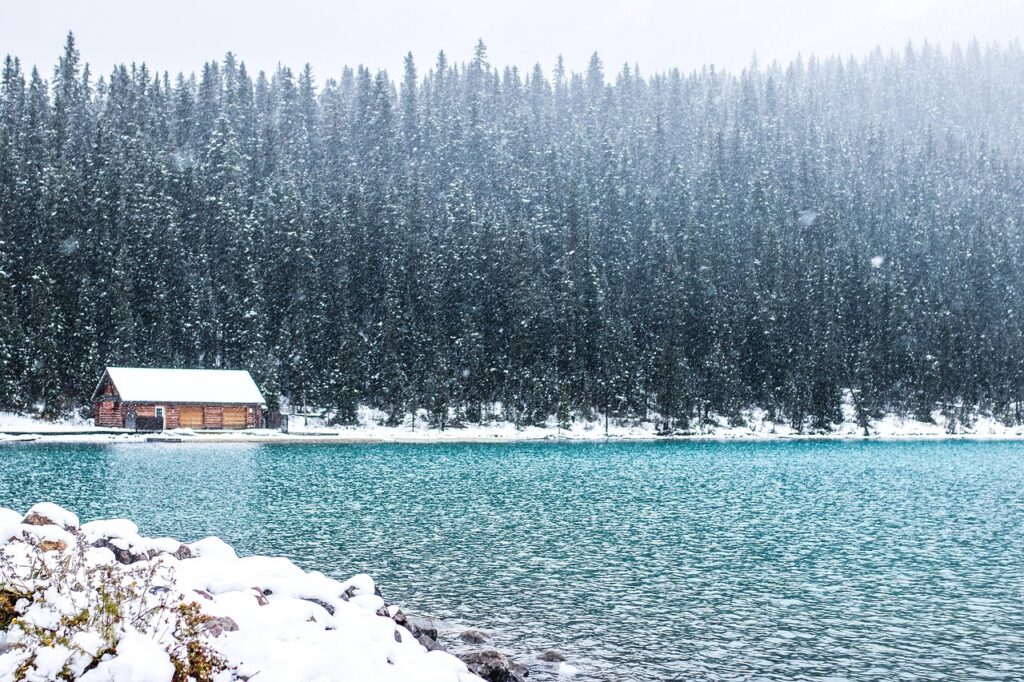
For a first trip, the main winter season runs from late November through March, with some activities extending into April depending on the year and weather. Each part of the season has a different feel.
Late November to December: This period can be very scenic, with fresh snow and festive energy in town. It is a nice time to visit if you want winter atmosphere before the deepest cold sets in. Around the holidays, expect more visitors and higher prices.
January and February: These are usually the coldest months, but they can also deliver the most classic winter conditions. If you want crisp snow, bright days and a true mountain winter experience, this is often the best time. Be prepared for temperatures well below freezing, especially at night, and dress for wind chill.
March to early April: This can be a good balance for travellers who want winter activities with slightly longer daylight and, often, somewhat milder temperatures. Conditions can vary more by week, so snow quality and ice conditions may change quickly.
If you are planning around skiing or skating, check conditions closer to your travel dates. For a relaxed sightseeing trip, many Canadians prefer January or February for the most reliable winter feel, while March can be a little easier for people who are less comfortable with deep cold.
Getting to Banff from Canada
Most Canadians reach Banff by flying into Calgary International Airport, then driving west for roughly 1.5 to 2 hours, depending on traffic and weather. Calgary is the most practical gateway for Banff in winter because it keeps the final leg of the trip relatively short.
If you are flying from Toronto, Montreal, Vancouver, Edmonton or Winnipeg, you will usually find the easiest connections into Calgary. Airfares vary a lot by season and booking window, but a round-trip economy fare from major Canadian cities to Calgary can often fall in the approximate range of $200 to $800 CAD or more, before baggage fees and seat selection. Check current prices before booking.
From Calgary, many travellers rent a car. In winter, that gives you the most flexibility for stopovers and day trips, but it also means you need winter driving confidence. Roads can be snowy or icy, and mountain weather can change fast. If you are not comfortable driving in winter conditions, look at shuttle options from Calgary to Banff and consider staying within the townsite.
Drivers should know that Banff sits on the Trans-Canada Highway corridor, and winter tyres are strongly recommended. Before you go, check road conditions, weather forecasts and any advisories from travel.gc.ca and official park and provincial sources.
Top things to do in Banff in winter
1. Stroll Banff Avenue and the town centre
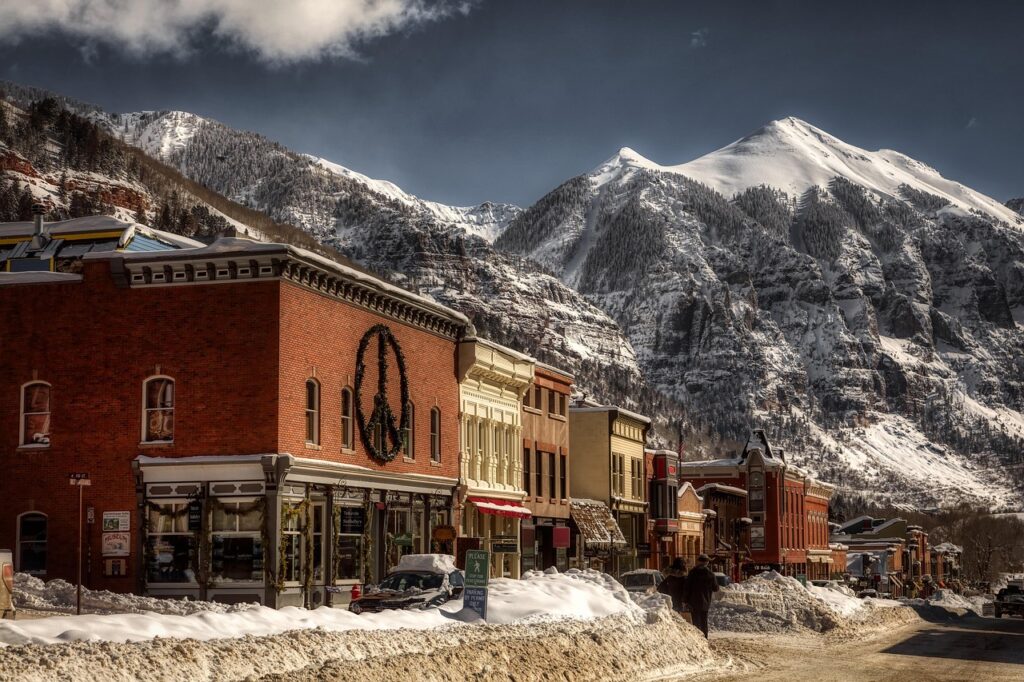
Banff Avenue is the main street through town, and it is the easiest place to start if you are new to the area. In winter, the streets are often decorated, the mountain backdrop is always close at hand, and it is simple to combine shopping, cafés, galleries and restaurants in one outing. For first-timers, this is a low-pressure way to settle in after your travel day.
Snow boots with good traction are useful here because sidewalks can be icy or slushy. If you are only in Banff for a short trip, a relaxed walk through town helps you get your bearings before heading out to bigger attractions.
2. Soak in the Banff Upper Hot Springs
The Banff Upper Hot Springs are one of the most classic winter experiences in the park. Sitting in warm mineral water while surrounded by snowy mountains is exactly the kind of contrast many travellers imagine when they picture a Banff winter trip. It is especially appealing after a day outdoors.
Expect the springs to be popular, particularly during weekends and holiday periods. Bring a swimsuit, sandals and a warm layer for after your soak. Entry fees are typically modest compared with many ski or spa experiences, but check current prices before you go.
3. Ride the Banff Gondola for mountain views
The Banff Gondola is a straightforward way to get elevated views without needing technical hiking skills. In winter, the scenery can be spectacular, with the Bow Valley stretched below and snow-covered peaks all around. It is a strong option for couples, families and anyone who wants big views with minimal effort.
Weather can affect visibility, so try to be flexible if mountain views are a major priority. On clear days, the experience can be one of the highlights of your trip. Ticket prices vary by date and demand, so check current rates in advance.
4. Visit frozen waterfalls and scenic viewpoints
Winter is a good season for seeing Banff’s landscapes in a different form. Waterfalls and rivers often freeze into striking shapes, and many roadside viewpoints are especially photogenic when the trees and cliffs are covered in snow. Popular areas such as the Bow Valley often reward short stops rather than long hikes.
If you are going out to viewpoints, wear grippy footwear and keep your camera accessible but protected from snow and cold. Some locations can be windy and exposed, so plan for short visits rather than long lingering if temperatures are very low.
5. Try winter sports: skiing, snowboarding or snowshoeing
Banff is a strong base for winter sports, with nearby ski areas drawing travellers from across Canada and beyond. If you already ski or snowboard, this can be the focus of your trip. If you are newer to winter recreation, snowshoeing can be a gentler introduction and a good way to experience the snowy landscape without needing advanced skills.
Lessons, rentals and lift tickets can add up quickly, so budget carefully if you plan to ski. Snowshoe outings are often more affordable, especially if you already have warm clothing and footwear. Conditions and access can vary, so check trail and mountain updates before heading out.
6. Take a winter wildlife and scenery drive
A slow drive through the park can be one of the easiest ways to appreciate Banff in winter, especially if you are travelling with family or visiting for a short time. Keep your eyes open for elk and other wildlife from a safe distance, but never feed or approach animals. Winter is still a wild setting, and road safety matters more than trying to get a closer look.
Bring water, snacks and a full tank of gas. If you are planning a longer day out, let someone know your route and keep a charger in the car. Winter daylight can disappear faster than travellers expect in the Rockies.
Where to stay in Banff
For first-timers, the best place to stay is usually the town of Banff itself. That keeps you close to restaurants, shops, transit options and many of the best winter-friendly activities. You can walk to much of what you need, which is helpful when roads are icy or parking is limited.
Banff town centre: Best for convenience. This area works well if you want to leave the car parked and walk to dining, shopping and some tour departures. It is a practical choice for couples and short stays.
Near Banff Avenue or Buffalo Street: Good for easy access to the main part of town. You may pay more for the convenience, especially on peak dates, but it can simplify a winter trip.
On the edge of town: Often a little quieter and sometimes a better value. You may need to rely more on a car or shuttle, so this is best for travellers who are comfortable with winter driving or do not mind taking transit.
As a general rule, winter rates in Banff can range from roughly $150 to $500+ CAD per night, with higher prices during holidays and busy weekends. Prices depend heavily on location, room type and booking timing, so compare current options early if you are travelling in peak season.
Suggested 3-day winter itinerary
- Day 1: Arrive in Calgary, drive or shuttle to Banff, check in and spend the afternoon exploring Banff Avenue and the town centre. Finish with an early dinner and an easy evening walk.
- Day 2: Start with the Banff Gondola if the weather looks clear, then visit the Banff Upper Hot Springs later in the day. Leave time for a relaxed scenic drive or short stop at a viewpoint before dinner.
- Day 3: Choose your winter adventure day: skiing, snowboarding, snowshoeing or a scenic sightseeing drive. Return to town for a final meal and enjoy one last look at the mountains before heading back to Calgary.
If you have four or five days, add a second ski day or a slower-paced sightseeing day. That extra time is useful because winter weather can change plans, and flexibility is a real advantage in the Rockies. With more time, the drive north to Jasper along the Icefields Parkway is a natural extension.
Budget for a Banff winter trip
Banff is not a budget-buster if you plan carefully, but it is also not a cheap destination in peak winter. Your biggest costs will usually be flights, accommodation and winter activities.
- Flights from Canada to Calgary: about $200 to $800+ CAD round-trip, depending on departure city and timing
- Airport transfer or car rental: about $50 to $150+ CAD for shuttles, or more for rentals and winter insurance; rental prices vary widely
- Accommodation: about $150 to $500+ CAD per night in Banff, depending on season and room type
- Meals: about $20 to $60 CAD per person for casual to mid-range meals; more for upscale dining
- Banff Gondola: often roughly $50 to $70+ CAD per adult, but prices change
- Banff Upper Hot Springs: typically a modest entry fee, often around $10 to $20 CAD per adult, depending on current rates
- Skiing or snow sports: lift tickets, rentals and lessons can range from $100 to several hundred dollars CAD per day, depending on what you choose
For a comfortable three-day winter trip for one person, a rough total could start around $700 to $1,500 CAD if you keep things fairly simple and book early. A ski-focused trip or a busy holiday period can cost more. Always check current prices before booking.
Practical winter travel tips
- Wear proper winter layers: a warm base layer, insulating mid-layer, waterproof outer layer, toque, gloves and insulated boots with traction.
- Carry microspikes or traction aids if you are comfortable using them; they can help on icy sidewalks and trails.
- Check weather, road conditions and park updates daily. In winter, plans can change quickly in the mountains.
- Keep your fuel tank at least half full if you are driving outside town.
- Allow extra time for airport connections and mountain driving. Winter travel in the Rockies is slower than summer travel.
- Book popular dates early, especially Christmas, New Year’s and Family Day weekend.
- Be aware that wildlife remains active in winter. Keep your distance and follow park guidance.
- For entry requirements, safety and health advice, check the Government of Canada travel advice at travel.gc.ca and official sources before you go.
Frequently asked questions
Is Banff worth visiting in winter if you do not ski?
Yes. Banff is still very worthwhile in winter even if skiing is not your main goal. The town, gondola, hot springs, scenic drives and snowy mountain views make it a strong winter getaway for non-skiers.
Do I need a rental car for Banff in winter?
Not always. A car gives you flexibility, but if you are staying in Banff town and focusing on the main sights, you may be able to manage with a shuttle and local transportation. If you plan to drive, be ready for winter conditions.
What is the coldest month in Banff?
January and February are generally the coldest months, though conditions can vary year to year. Expect cold temperatures, icy mornings and the need for serious winter clothing.
How many days do you need in Banff in winter?
Three days is a good starting point for first-timers. That gives you enough time to explore town, enjoy one or two signature attractions and keep one day flexible for weather or winter sports.