
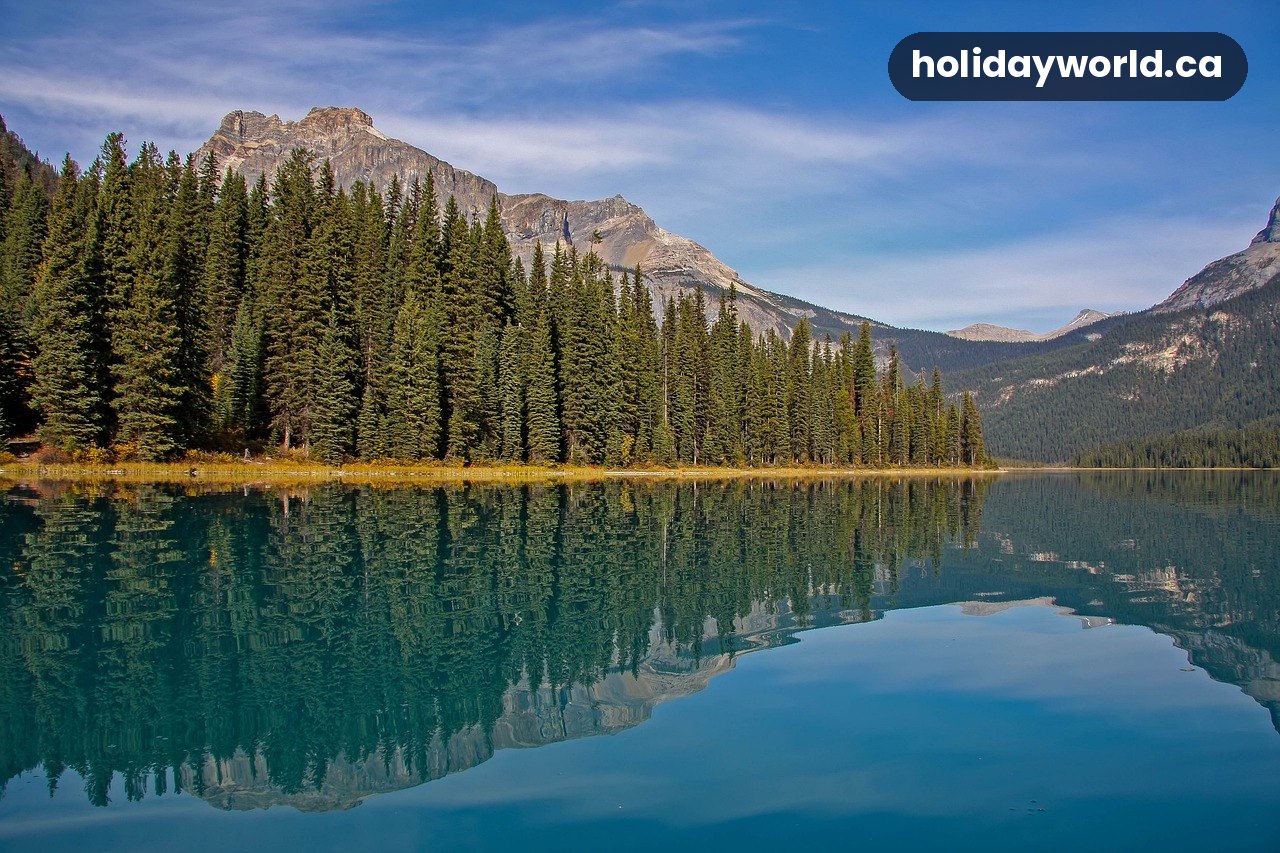
Jasper National Park is the kind of place that rewards a slower pace. If you want three days of big scenery without rushing from one attraction to the next, this itinerary is for you. It suits Canadian travellers planning a mountain getaway, families who want outdoor activities with manageable driving, couples looking for a scenic escape, and anyone who wants a classic Rockies trip with lakes, canyons, wildlife and star-filled skies.
Why Jasper is worth three days
Jasper is larger and generally less crowded than some other Rockies destinations, which makes it ideal for travellers who prefer room to breathe. In three days, you can see the highlights without feeling like you are spending the whole trip in the car. Think turquoise lakes, glacier-fed rivers, dramatic mountain roads, easy walks, and enough time in Jasper townsite to enjoy a relaxed meal or two.
Another reason to choose Jasper is variety. You can build a trip around scenic drives, family-friendly stops, wildlife watching, or more active hiking and paddling. In summer, the long daylight hours make it easy to pack in more. In fall, the larch and aspen colours can be especially beautiful. In winter, the park becomes a quiet, snowy landscape with fewer visitors and a very different mood.
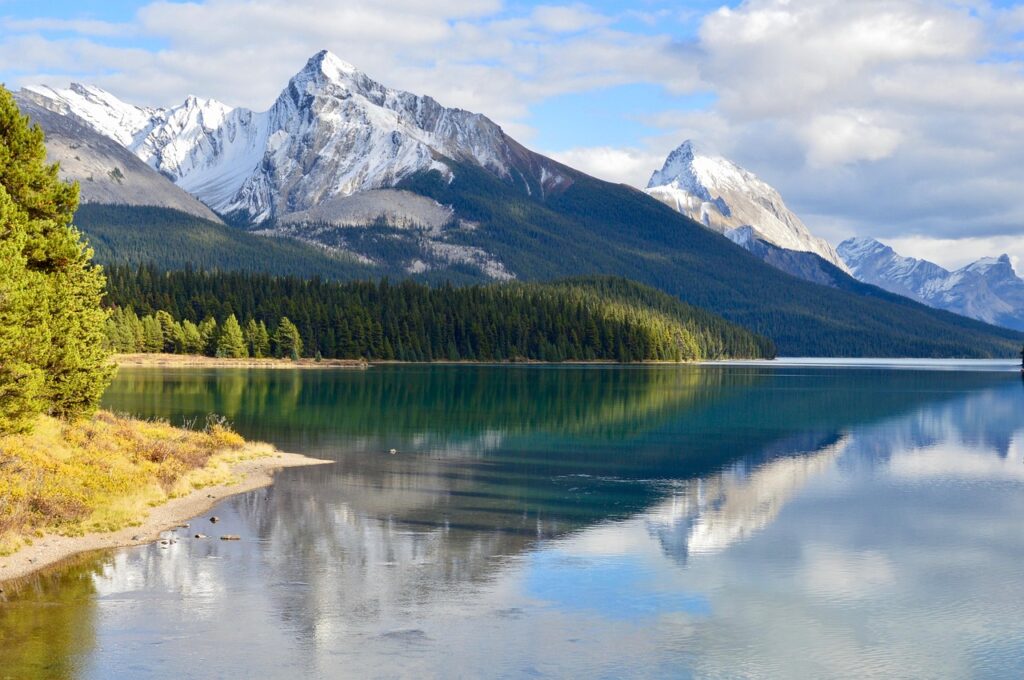
Best time to visit Jasper National Park
The best time to go depends on the type of trip you want. Summer is the most popular season, with warm days, open roads and the widest choice of outdoor activities. It is a strong pick for first-time visitors, especially if you want lake time, hiking and easier access to the classic sights.
Fall can be one of the most rewarding times to visit if you prefer cooler weather and fewer crowds. Early autumn often brings crisp mornings, clearer views and colourful trees in some areas, though conditions can change quickly at higher elevations.
Winter is best for travellers who do not mind cold weather and want a quieter park. Expect snow, icy roads and shorter days, but also a peaceful atmosphere and excellent winter scenery. Spring is generally a shoulder season with mixed conditions, so it can be a good value period, but some mountain weather is still unpredictable.
For any season, pack layers. Even in summer, mornings and evenings in the mountains can be cool. Check road conditions, trail updates and weather forecasts before you go, especially if you plan to drive the Icefields Parkway or head into higher elevations.
Getting to Jasper from Canada
Most Canadian travellers reach Jasper by flying into Edmonton International Airport or Calgary International Airport, then continuing by rental car or, in some cases, a shuttle or tour transfer. Edmonton is usually the more direct gateway for Jasper, while Calgary can make sense if you are combining Jasper with Banff or other Rockies stops.
If you are flying from Toronto, Montreal, Vancouver, Winnipeg, Halifax or another major Canadian city, fares to Alberta can vary widely by season. As a rough guide, round-trip economy flights to Edmonton or Calgary may range from about $250 to $800 CAD+, depending on where you are flying from, when you book and whether you travel in peak summer. Check current prices before you commit.
Once you land, plan on a drive of several hours to Jasper, depending on your route and starting airport. The most scenic approach from Calgary is often along the Icefields Parkway, one of Canada’s most famous mountain drives. If you are coming from Edmonton, the route is generally more straightforward and is often the easiest choice for families or travellers keeping the trip simple.
If you are driving from elsewhere in western Canada, Jasper can also work as part of a road trip. Just remember that mountain driving takes more time than the map suggests, especially in peak season, in winter weather, or when you want to stop for viewpoints and short walks.
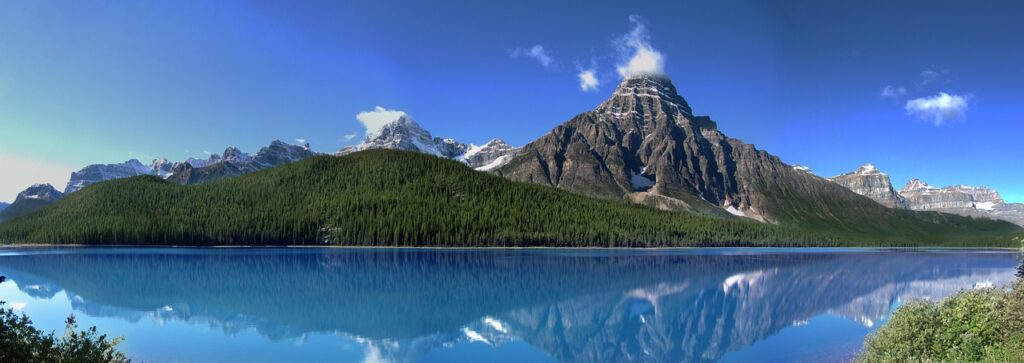
Day 1: Jasper townsite and easy introductions
Your first day should be about easing into the park rather than trying to see everything at once. After arriving, settle into Jasper townsite and take a short walk to get your bearings. The town is compact, welcoming and practical, with restaurants, shops and services close together. It is a good place to stock up on snacks, water and anything you forgot to pack.
Stroll the townsite
Jasper townsite is the main base for most visitors, and wandering it on foot is a good way to start your trip. You can browse the streets, find a café, and get a feel for the mountain setting without needing to drive anywhere right away. This is also the best time to ask about local trail conditions and park updates if you have not already checked online.
Take an easy scenic drive or short walk
If you arrive early enough, choose one gentle outing close to town. The idea is to enjoy the scenery without overdoing it after a travel day. Short walks around lakes or rivers, or quick stops at roadside lookouts, are a smart way to recover from the drive and still feel like your trip has started.
End with an unhurried dinner
Jasper is not a place that rewards a packed schedule on your first evening. Leave room for a proper dinner, an early night and a look at the stars if the sky is clear. Jasper is known for its dark skies, and even a brief evening outside can be memorable if the weather cooperates.
Day 2: Classic Jasper scenery and mountain lakes
Your second day is the one to spend on the park’s signature landscapes. A full day of sightseeing can include some of Jasper’s most famous lakes and viewpoints, but you will enjoy it more if you build in time for stops, photos and short walks instead of chasing every location in a rush.
Pyramid Lake and nearby viewpoints
Pyramid Lake is one of the most recognisable places near Jasper townsite. It is especially appealing in calm weather, when the water reflects the surrounding peaks. It is a good stop for travellers who want an iconic mountain-lake photo without a long hike. Nearby viewpoints and short trails make it easy to stretch your legs.
Maligne Canyon
Maligne Canyon is a strong choice if you want dramatic scenery close to town. The canyon is known for its deep limestone walls and rushing water, and it can be visited in different seasons. In summer and fall, it is a great place for a walk; in winter, it becomes a striking icy landscape, but conditions can be slippery, so proper footwear matters.
Maligne Lake area
Maligne Lake is one of the most famous places in Jasper National Park and is worth the drive if you want a full day of scenery. Even if you keep your plans simple and do not take a longer boat outing, the route itself and the surrounding mountain views are part of the experience. In summer, this is also a good area for relaxed shoreline time and photography.
If you are travelling with kids or multi-generational family members, this day works well because you can mix short drives with stops that do not require a strenuous hike. Travellers who prefer a slower pace can choose two major sights instead of three and still have a very satisfying day.
Day 3: The Icefields Parkway and a big Rockies finale
Your last day is best spent on the road between Jasper and the Icefields Parkway, one of the most celebrated scenic drives in the Canadian Rockies. You do not need to drive the entire route to enjoy it. Even a partial day can deliver glacier views, sweeping valleys and some of the most impressive mountain scenery in the park region.
Plan for scenic stops, not speed
The Parkway deserves a relaxed approach. Allow extra time for pullouts, viewpoints and short walks. The scenery changes constantly, and the best parts of the drive are often the unplanned stops where you simply take in the scale of the landscape.
Choose one major highlight
If you only want one big feature on this day, pick a stop that fits your pace and weather conditions. Some travellers will want a glacier viewpoint or a guided experience in the Columbia Icefield area, while others may prefer simply driving a scenic section and turning back toward Jasper. Since conditions and access can change, confirm current offerings before you go.
Return through the mountains at golden hour
If your schedule allows, aim to head back in time for evening light. Mountain landscapes often look especially striking late in the day, and the drive back can feel like a completely different experience. This is a fitting way to end a three-day Jasper trip: quiet, scenic and unhurried.
Where to stay in Jasper
For most visitors, Jasper townsite is the best base. It offers the easiest access to dining, shops and services, and it keeps you close to the park’s main routes. Staying in town is especially practical if this is your first Jasper trip or if you do not want to drive long distances after dinner.
If you prefer a more remote feeling, look for accommodation along the highway corridor outside the townsite, but keep in mind that convenience matters in a mountain destination. Being closer to town often saves time and makes evenings easier, particularly for families or winter travellers.
As a budget guide, rooms in Jasper can vary a lot by season and demand. For many travellers, expect roughly $180 to $450 CAD+ per night for a standard room in peak periods, with lower or higher prices possible depending on availability and type of lodging. Book early for summer and long weekends, and compare current rates before you commit.
Suggested 3-day Jasper itinerary at a glance
- Day 1: Arrive, settle into Jasper townsite, take a short scenic walk, and enjoy a relaxed dinner.
- Day 2: Explore classic sights such as Pyramid Lake, Maligne Canyon and Maligne Lake.
- Day 3: Spend the day on the Icefields Parkway with scenic stops and a flexible return to Jasper.
This outline is intentionally simple. If weather is poor, roads are busy, or you want a more active trip, swap in an extra hike or a longer lake stop. If you are travelling with children or older relatives, shorten the day and keep the itinerary flexible.
Budget for 3 days in Jasper
Jasper can be as moderate or as expensive as you make it. The biggest costs are usually flights, accommodation and a rental car. Here is a rough planning guide in Canadian dollars:
- Flights from major Canadian cities to Edmonton or Calgary: about $250 to $800+ round-trip
- Rental car: about $70 to $150+ per day, depending on season and vehicle type
- Accommodation: about $180 to $450+ per night for standard rooms in busy periods
- Park entry: about $10 to $20+ per adult per day, or consider a Parks Canada Discovery Pass if it suits your trip; check current rates
- Gas: about $50 to $150+, depending on your route and how much driving you do
- Meals: about $20 to $60+ per person per meal
- Optional activities: about $0 to $150+ per person, depending on whether you choose guided tours or paid attractions
These are only planning ranges, and prices can change quickly in peak travel periods. If you want better value, travel in shoulder season, book early, and build at least one picnic-style meal into the trip.
Practical tips for a smooth Jasper trip
- Book early for summer: Accommodation and rental cars can sell out well ahead of time.
- Check road and weather conditions: Mountain travel can change fast, especially on the Icefields Parkway and in winter.
- Leave time for wildlife: Drive carefully and never stop in unsafe places to view animals.
- Pack layers and proper footwear: Even summer mornings can be cool, and shoulder-season conditions vary.
- Bring snacks and water: Useful for longer drives and trail stops.
- Have a flexible plan: Weather, smoke, snow or road work can affect what is realistic on any given day.
- Follow official guidance: For entry, safety and health updates, check the Government of Canada travel advice at travel.gc.ca and official Parks Canada sources before you go.
Frequently asked questions
Is three days enough for Jasper National Park?
Yes, three days is enough for a rewarding first trip. You will not see every corner of the park, but you can comfortably cover Jasper townsite, several iconic lakes or canyons, and a meaningful stretch of the Icefields Parkway.
Do I need a car in Jasper?
For this itinerary, yes, a car is the most practical option. It gives you the freedom to reach scenic stops at your own pace and makes it easier to adjust plans if weather changes.
What is the best month to visit Jasper?
For most travellers, July to September offers the most reliable access and the widest choice of activities. If you prefer fewer crowds and are comfortable with cooler weather, early fall can also be excellent.
Can I do Jasper and Banff in one trip?
Yes, many travellers combine them in one Rockies itinerary. Just be realistic about driving times and do not overpack the schedule. If you add Banff, consider giving yourself extra days so the trip does not feel rushed.