
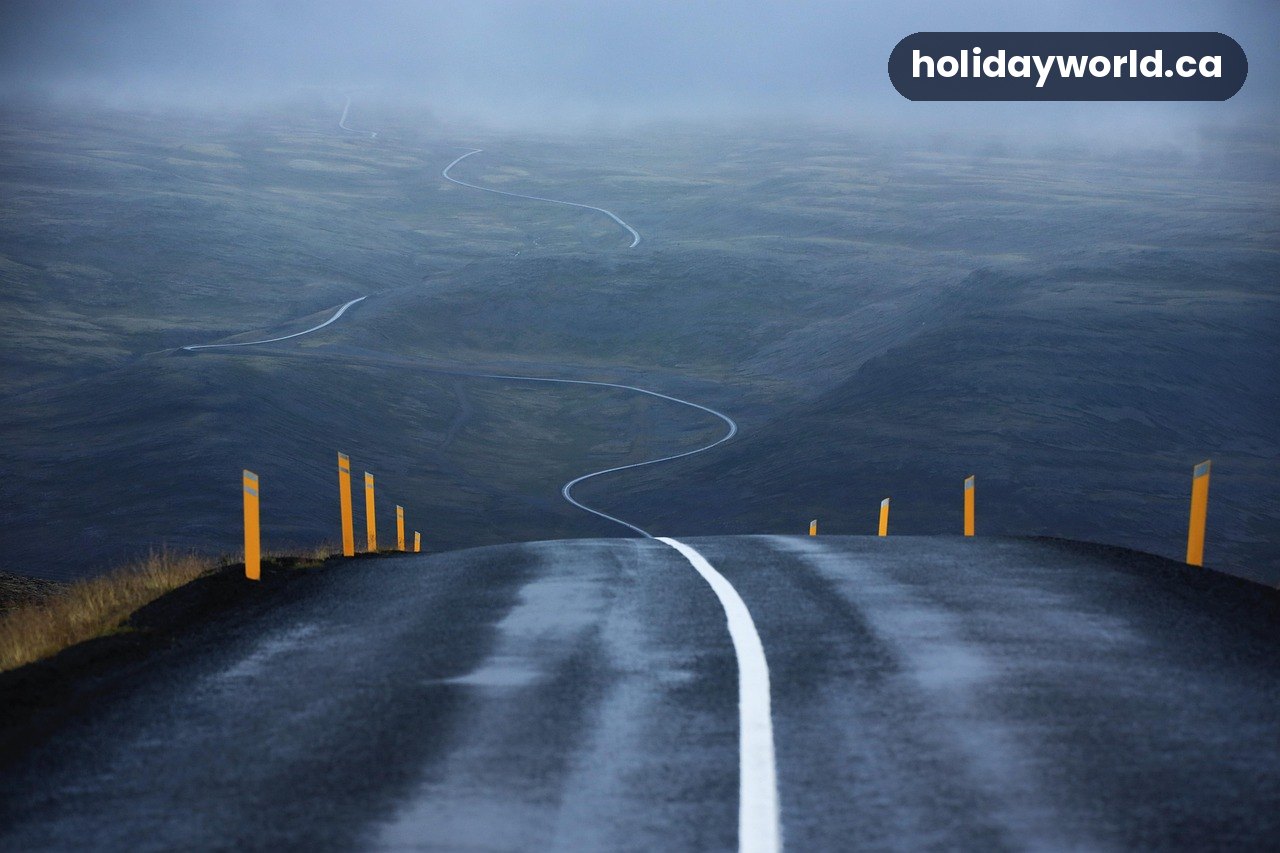
Iceland’s Ring Road is a classic road trip for Canadians who want dramatic scenery, lots of daylight in summer, and a route that can be tackled in one loop. Most travellers fly from Toronto, Montreal, Calgary or Vancouver to Reykjavík, then rent a car and follow Route 1 around the island. Expect a trip cost that can range from roughly $2,500 to $5,500 CAD per person for a mid-range self-drive holiday, depending on flights, car rental, fuel, accommodation and how many tours you add. Check current prices before you book, because Iceland can swing from affordable to expensive very quickly.
Why the Ring Road appeals to Canadian travellers
The Ring Road, or Route 1, circles Iceland and connects many of the country’s best-known landscapes without requiring a complicated itinerary. You can see waterfalls, black-sand beaches, glacier tongues, lava fields, hot springs and fishing towns in one trip. For Canadians used to long drives through big landscapes, it feels familiar in one sense, but the scenery changes fast enough to keep every driving day interesting.
It also suits different trip styles. Couples often use it as a scenic road trip with a few hotel nights and one or two guided add-ons. Families like the flexibility of stopping often. Solo travellers often appreciate the clear route and straightforward logistics, especially in summer. If you want a road trip that feels adventurous without needing to cross multiple borders or deal with left-side driving, Iceland is an easy place to consider.
Best time to plan your trip
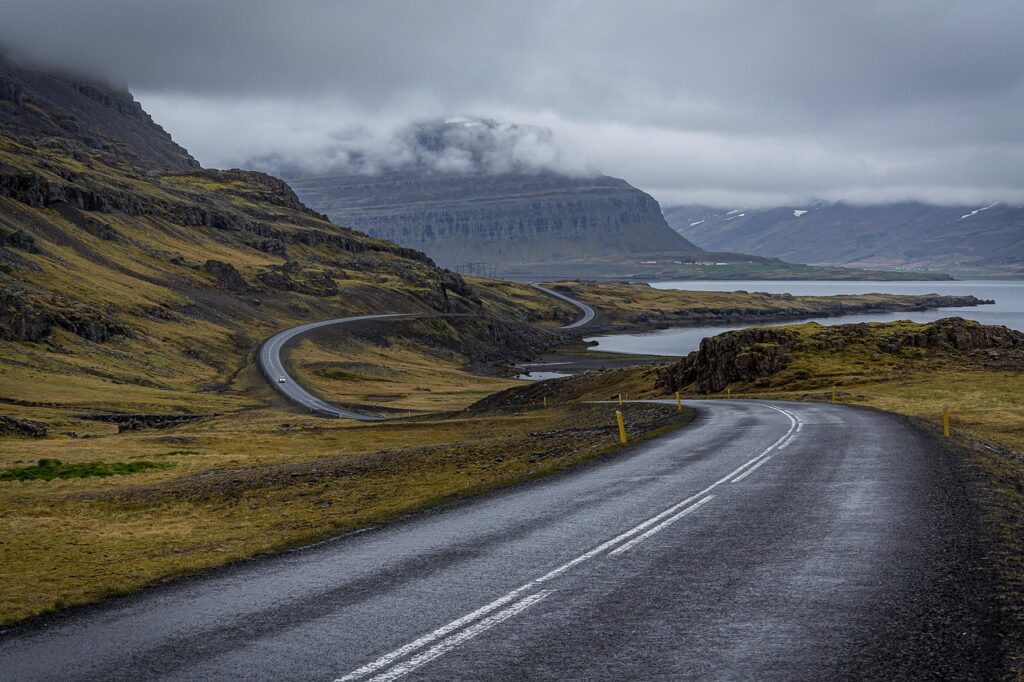
The best season depends on what you want most. Summer, from June to August, brings the longest days and the easiest driving conditions. Roads are generally simpler to manage, more services are open, and you’ll have more time to fit in stops between Reykjavík and the more remote east and north.
Shoulder seasons can work well too. May and September often offer fewer crowds and lower prices than peak summer, though weather can still change quickly. September is especially appealing if you want a shot at autumn colours and the chance of seeing the northern lights later in the month.
Winter is a different trip entirely. From roughly November to March, daylight is short and storms can affect road conditions. That said, winter can be rewarding for travellers who are comfortable adjusting plans, want snow-covered scenery and are keen on northern lights viewing. If you choose winter, build in extra flexibility and keep your driving days short.
For Canadians, summer is the most practical first choice. If you’re flying in from Toronto, Montreal, Calgary or Vancouver and want the least stressful drive, that’s the season to target. If you’re on a tighter budget, compare spring and autumn prices carefully; airfare and rental-car costs can vary a lot.
Getting there from Canada
The usual arrival point is Keflavík International Airport, about 50 kilometres from Reykjavík. From Canada, look for flights from major airports such as Toronto Pearson, Montréal-Trudeau, Calgary and Vancouver. Depending on your route and connection, travel time can be around 7 to 12 hours or more. Check schedules and current fares before you lock in dates.
Once you land, you’ll need a rental car for the Ring Road. A compact car may be enough for summer travel on the main route if you’re sticking to paved roads and keeping luggage light. In winter, or if you want more comfort, a vehicle with winter tyres and possibly four-wheel drive makes more sense. Rental costs in Iceland are often higher than Canadians expect, so plan for roughly $80 to $180 CAD a day for a standard car in shoulder season and more for SUVs, with winter and peak summer usually pricier.
If you’d rather not drive the whole loop, you can still use the Ring Road idea as a framework. Some travellers fly into Reykjavík, spend a couple of days in the southwest, then drive east or north for a shorter loop before returning. That can work well if you only have a week.
How much time you need
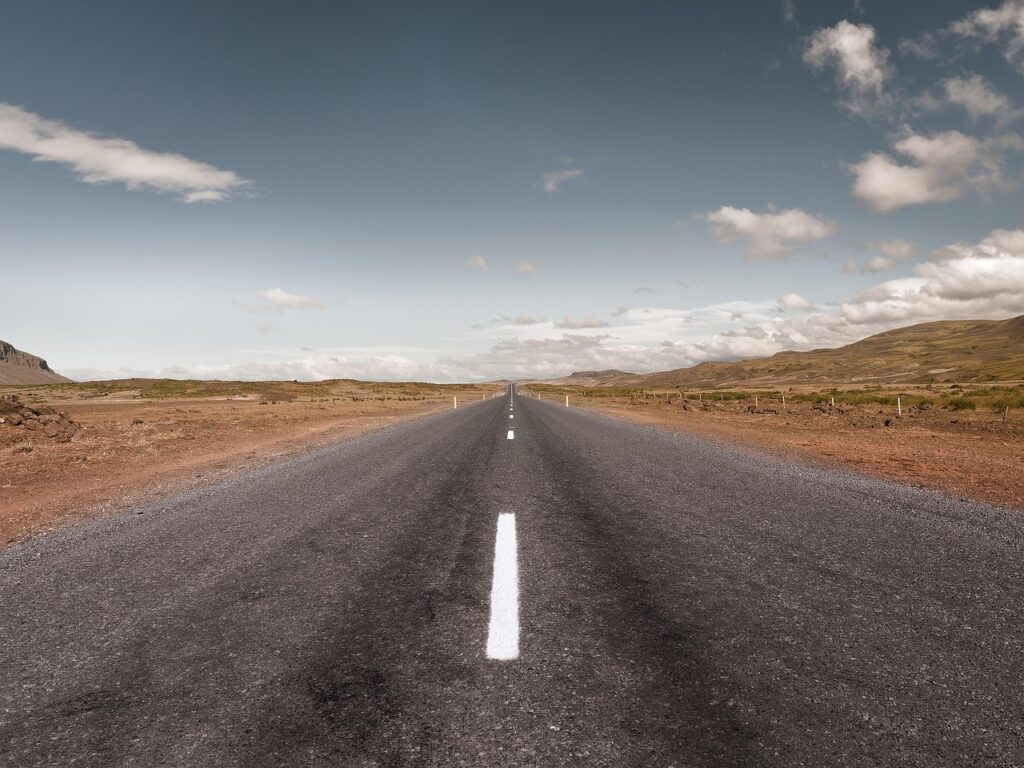
Technically, you can drive the Ring Road in about a week without spending much time off the main road. In practice, most Canadians are better off with 10 to 14 days. That gives you breathing room for weather, photo stops and detours to places like the Golden Circle, the south coast, Mývatn or the Snæfellsnes Peninsula if you decide to add them.
A 7-day trip is best for travellers who want a quick overview and don’t mind long driving days. Ten days is a sweet spot for seeing the south coast, east fjords and north without feeling rushed. Two weeks lets you slow down and spend more time in one or two regions. If your holiday time is limited, choose fewer overnight stops rather than trying to cover everything.
Top Ring Road highlights
Reykjavík and the southwest
Most trips begin or end in Reykjavík. The city is compact, easy to explore on foot and useful for a first night after your flight. It’s also a good place to stock up on snacks, check your rental car and ease into the trip. Nearby, the Golden Circle is an easy add-on, with Þingvellir National Park, the Geysir geothermal area and Gullfoss waterfall often included by self-drive travellers.
If you have a short trip, the southwest can be your base for day trips. If you have longer, use it as an arrival buffer and save the longer drives for later.
The south coast
This is one of the strongest stretches of the Ring Road. Expect big waterfalls such as Seljalandsfoss and Skógafoss, wide open views, volcanic plains and the black-sand beach at Reynisfjara near Vík. Glacier views are common here, and it’s one of the easiest parts of Iceland to appreciate without leaving the paved route.
Be cautious near the coast. The surf can be powerful and conditions can change quickly. Follow local safety signs and stay well back from the water.
Jökulsárlón and the glacier coast
In southeast Iceland, Jökulsárlón glacier lagoon and nearby Diamond Beach are among the best-known stops on the route. Icebergs drift through the lagoon before reaching the Atlantic, and the black sand nearby creates a stark contrast. This area is one of the reasons many travellers stretch their trip beyond a quick loop.
Accommodation can be limited and more expensive here than in larger towns, so book early if this is a priority stop.
The east fjords
The east fjords are quieter and more rural than the south coast. The road threads around inlets and small settlements, and the drive itself becomes part of the experience. This section is ideal if you want a less hurried pace and fewer crowds.
It’s also a sensible place to break up a long driving day. If you’re travelling in summer, you may be able to linger at viewpoints and small towns without feeling pressed for time.
Mývatn and the north
North Iceland gives the trip a different feel. Around Lake Mývatn, geothermal activity, lava formations and birdlife make the landscape look unlike the south coast. Akureyri, often treated as the capital of the north, is a useful overnight stop with more services than many smaller towns.
This part of the route works well for travellers who want a mix of scenery and town comforts. In summer, the longer daylight helps you fit in more stops; in winter, road conditions can require a slower pace.
West Iceland and the return to Reykjavík
The final stretch back toward the capital can include waterfalls, fjords and broad coastal views. Some travellers detour to the Snæfellsnes Peninsula for a shorter side trip if their schedule allows. If you’re running short on time, though, it’s better to keep the itinerary realistic than to squeeze in too much at the end.
Where to stay on the Ring Road
For a self-drive trip, location matters more than luxury. Book places that reduce backtracking and make your daily driving reasonable. In Iceland, many travellers stay in a series of guesthouses, farm stays, hotels or cabins rather than one fixed base.
Reykjavík works well for your first or last night. Vík is practical for the south coast. Höfn is often used for the glacier coast. Egilsstaðir can help break up a long eastern drive. Around Mývatn and Akureyri, you’ll find useful bases for the north. If you want quieter nights, look for accommodation outside the busiest towns, but check driving distances carefully so you don’t trade scenery for a long commute every morning.
For budget planning, expect roughly $180 to $350 CAD a night for mid-range rooms in many areas, with prices rising in summer and in remote places. Cheaper options do exist, but they tend to sell out early. Always compare cancellation policies before booking.
A practical sample itinerary
- Days 1–2: Arrive in Reykjavík, recover from the flight and visit the Golden Circle.
- Days 3–4: Drive the south coast, with stops at waterfalls, Reynisfjara and Vík.
- Days 5–6: Continue to the glacier coast and spend a night near Höfn or nearby.
- Days 7–8: Cross the east fjords at an easy pace and stop in a smaller town overnight.
- Days 9–10: Head into North Iceland for Mývatn and Akureyri.
- Days 11–12: Drive west toward Reykjavík, adding one last stop if weather and timing allow.
If you only have 7 to 8 days, trim the east fjords or shorten your north Iceland time. If you have 14 days, add an extra night in the south or north rather than filling every day with driving.
Budget breakdown for Canadians
- Flights from Canada: roughly $700 to $1,500 CAD return, sometimes more in peak summer or on tighter routes. Check fares from Toronto, Montreal, Calgary and Vancouver.
- Rental car: roughly $80 to $180 CAD per day for a standard car; more for SUVs, winter tyres or 4×4 vehicles.
- Fuel: roughly $150 to $350 CAD for a full Ring Road trip, depending on vehicle type and detours.
- Accommodation: roughly $180 to $350 CAD per night for mid-range stays; higher in busy seasons and remote areas.
- Food: roughly $60 to $150 CAD per person per day if you mix restaurant meals, groceries and coffee stops.
- Activities and admissions: roughly $50 to $250 CAD per person, depending on whether you add hot springs, lagoon boat trips or guided outings.
- Total trip budget: roughly $2,500 to $5,500 CAD per person for a comfortable self-drive trip, excluding high-end extras. Check current prices before booking.
Practical tips before you go
- Book early for summer. Rental cars and popular overnight stops can sell out or rise sharply in price.
- Keep driving days realistic. Iceland looks small on a map, but weather, wind and photo stops slow you down.
- Watch the forecast daily. Conditions can change fast. Road and weather updates matter more than a fixed schedule.
- Know the road rules. Stay on marked roads, take care on gravel sections and follow local warnings near the coast.
- Pack for layers. Even in summer, you may want a waterproof shell, warm mid-layer and sturdy shoes.
- Carry snacks and water. Services can be sparse outside the main towns.
- Check your insurance. Make sure your rental coverage is clear, especially for gravel, wind and collision risks.
- Review entry and safety advice. Before you leave, check the Government of Canada’s travel advice at travel.gc.ca and official Icelandic sources for current entry, road and safety information.
Frequently asked questions
Do you need a 4×4 for the Iceland Ring Road?
Not always. In summer, many travellers manage the main Ring Road with a standard car. In winter, or if you plan side roads and want more confidence on poor-weather days, a 4×4 can be a better choice. Check current road and weather conditions before you decide.
How many days do you need for the Ring Road?
Ten days is a comfortable minimum for most Canadians. A week is possible if you keep stops limited, while two weeks gives you a much better pace and more flexibility for weather delays.
Is the Ring Road safe to drive in winter?
It can be, but only for travellers who are comfortable with changing conditions and shorter daylight hours. Winter driving in Iceland needs patience, flexibility and close attention to official road updates. If you’re unsure, summer is the easier season.
What is the best airport to fly into from Canada?
Keflavík International Airport is the main gateway. From Canada, common departure airports include Toronto, Montréal, Calgary and Vancouver. Compare routes and connections because schedules and prices change often.