
San Francisco is an easy city break for Canadians who want a mix of famous sights, good food, and walkable neighbourhoods without needing a car. From Vancouver, the trip can work well as a long weekend. From Toronto, it’s better as a four-day getaway or a longer stop on a California holiday. Expect round-trip flights from major Canadian airports to start around $350 to $700 CAD from Vancouver and roughly $450 to $850 CAD from Toronto, depending on season and how far ahead you book. Check current fares before you go.
Late spring through early fall is the sweet spot for weather, especially if you want clear views from the waterfront and fewer rainy days. Winter can be a smart time for lower hotel rates, but it’s cooler, wetter, and often foggier. This trip suits travellers who like neighbourhood wandering, iconic viewpoints, museums, and meals that range from casual seafood to classic sourdough bread stops.
Why San Francisco works so well for Canadians
San Francisco feels compact enough to cover in four days, but layered enough that you never run out of things to do. The hills give the city character, the cable cars are part transport and part sightseeing, and the waterfront areas make it easy to plan days without long transfers. You can pair major sights with low-key neighbourhood time, which is ideal if you don’t want a packed, museum-only trip.
It also works well for Canadians because it’s an easy flight from Vancouver and a manageable longer-haul trip from Toronto. Time zones are friendly, too. You can arrive, settle in, and still have energy for a dinner out or an evening walk. If you like to keep a trip flexible, San Francisco gives you that option without needing a full car rental.
Best time to go
Spring is one of the best times to visit. Expect mild temperatures, blooming gardens, and fewer crowds than peak summer in some parts of the city. It can still be cool and breezy near the water, so pack a light jacket.
Summer is popular, but San Francisco’s famous fog can linger, especially in June and July. Days can feel cool even when the calendar says summer. That said, it’s still a good time for sightseeing, Alcatraz trips, and evening walks along the Embarcadero.
Fall often brings some of the clearest, warmest weather of the year. September and October are especially appealing for pleasant afternoons and easier walking. If you’re planning to combine San Francisco with wine country or coastal drives, fall is a strong choice.
Winter is the most affordable season in many cases, but it’s also the wettest. If you don’t mind rain and want to save on hotel costs, it can still be a good value. Just build in some indoor backup plans.
Getting there from Canada
From Vancouver, San Francisco is a short hop by North American standards, usually around 2.5 to 3 hours in the air, depending on routing. From Toronto, plan on roughly 5 to 6 hours of flight time. Schedules change often, so check current service from YVR and YYZ, along with possible options from other major Canadian airports if you’re connecting.
Flying into San Francisco International Airport is the simplest option for most travellers. From there, you can use BART, rideshare, taxis, or hotel shuttles depending on where you’re staying. If you’re arriving late, many visitors find it easier to take a taxi or rideshare straight to the hotel rather than figure out transit after a long flight.
For entry rules, check the Government of Canada’s travel advice at travel.gc.ca and official U.S. sources before you leave. Make sure your passport is valid, and review any current requirements well ahead of departure.
Four days in San Francisco
Day 1: Union Square, Chinatown, and North Beach
Start with a neighbourhood walk rather than trying to cross the whole city right away. Union Square is a practical base for your first day because it gives you easy access to transit, shopping, and plenty of dining options. From there, head into Chinatown, one of the oldest and most distinctive neighbourhoods in North America, and continue toward North Beach for coffee, pastry, or an early dinner.
This is a good day for getting your bearings. San Francisco’s hills can be more tiring than they look on a map, so use transit or rideshare between areas if needed. If you still have energy in the evening, walk along Columbus Avenue or find a quiet spot to enjoy the city lights.
Day 2: Fisherman’s Wharf, the waterfront, and Alcatraz
Spend your second day around the waterfront. Fisherman’s Wharf is busy and touristy, but it’s an easy place to tick off classic San Francisco sights, including the views toward the bay. Pier 39 is close by and can be part of a relaxed waterfront loop. If you want a ferry-based outing, Alcatraz is the well-known choice; book well ahead because tickets often sell out, especially in peak season.
Leave time for the Embarcadero and the Ferry Building area, where you can stroll along the water and break up the day with a meal or snack. This part of the city works well for travellers who want famous sights without too much planning pressure.
Day 3: Golden Gate Bridge, Marin views, and Golden Gate Park
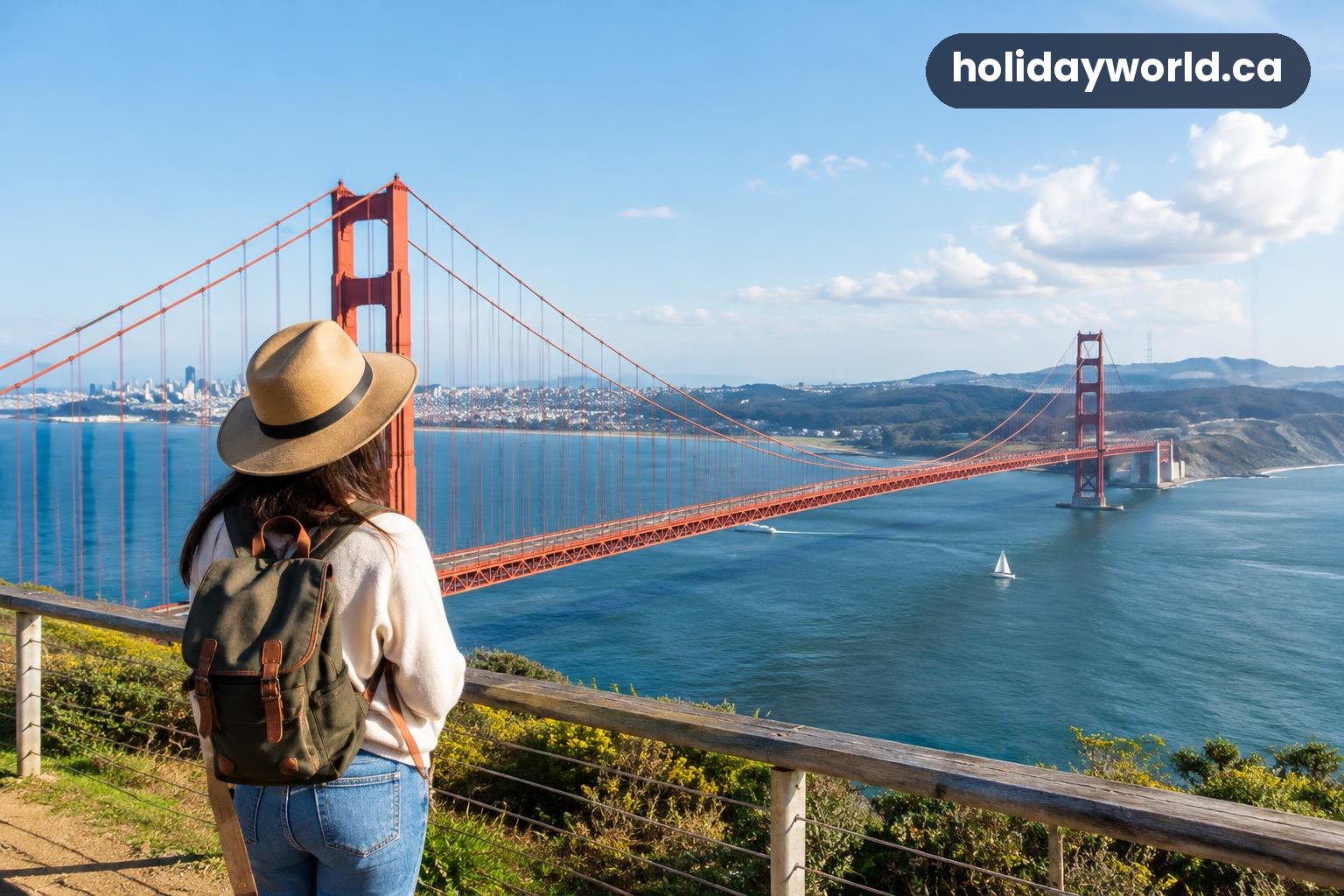
No San Francisco trip feels complete without the Golden Gate Bridge. You don’t need to rush across it. Many visitors are happiest stopping at viewpoints, taking photos, and then continuing into nearby parkland or across the water. If the weather is clear, the views can be excellent from several spots around the city.
After that, head to Golden Gate Park, which is large enough to fill half a day if you want museums, gardens, or just some green space after the busy waterfront. It’s a useful balance to the more urban parts of the itinerary. If you prefer a slower pace, this is the day to choose one or two highlights instead of trying to see everything.
Day 4: Mission District, Castro, or a final neighbourhood day
Use your last day for a neighbourhood that matches your interests. The Mission District is known for murals and a lively food scene. The Castro has an important place in the city’s LGBTQ+ history and is good for a walk with cafés and shops. If you want a more relaxed final day, return to a favourite area and revisit whatever you enjoyed most.
For many Canadians, the best last-day plan is simple: brunch, one more neighbourhood stroll, a bit of shopping, then a calm return to the airport. That leaves room for traffic and avoids the stress of squeezing in one more major sight before your flight.
Where to stay
San Francisco is best booked by area rather than by chasing the cheapest room across town. Transit and walkability matter here.
Union Square is convenient if you want central access to transit, shopping, and hotel choice. It’s practical for first-time visitors, though some blocks feel quieter than others after dark.
Fisherman’s Wharf works well if you want waterfront access and an easy first visit. It can feel tourist-heavy, but it’s simple for families and travellers who prefer a straightforward location.
Ferry Building / Embarcadero is a strong pick if you like being near the water, with easy access to walks and transit. It’s often a good fit for couples and repeat visitors.
Nob Hill, Russian Hill, or North Beach can suit travellers who want a more characterful stay and don’t mind hills. These areas often feel more local at street level, but they can require more walking.
Hotel prices in San Francisco vary a lot by season and neighbourhood, but a mid-range stay often runs about $250 to $500 CAD a night, with higher rates in busy periods. Check current prices before booking.
Budget for four days
San Francisco is not a low-cost city, but it’s manageable if you plan ahead. Here’s a rough budget in Canadian dollars for one person:
- Flights from Vancouver: about $350 to $700 round trip
- Flights from Toronto: about $450 to $850 round trip
- Hotel: about $250 to $500 per night for a mid-range room
- Local transport: about $40 to $120 for transit, taxis, and occasional rideshare
- Meals: about $60 to $150 per day, depending on how often you sit down for meals
- Attractions and activities: about $50 to $180, depending on whether you do Alcatraz, museums, or paid tours
A four-day trip can often land around $1,300 to $2,800 CAD per person before shopping and extra splurges. Couples sharing a room may come in lower per person on lodging. Families should budget more for room size and transit.
Practical tips for Canadians
- Bring layers. Even in summer, San Francisco can shift from mild to chilly quickly, especially near the water.
- Wear comfortable shoes. Hills are a big part of the city and can add up fast.
- Use transit where it makes sense. BART and Muni can save time and money, though rideshare is handy late at night or after long sightseeing days.
- Book Alcatraz and any other high-demand attractions before you leave Canada if they matter to your trip.
- Keep an eye on neighbourhood choice. A central hotel can save more than it costs if it cuts down on transit time.
- Check the Government of Canada’s travel advice at travel.gc.ca for current entry, safety, and health guidance.
- If you’re flying from Toronto, consider arriving a day earlier if you can. It makes the first day feel much easier.
Frequently asked questions
Is four days enough for San Francisco?
Yes. Four days is enough for a first visit that covers the main sights, a few neighbourhoods, and one or two standout experiences. You won’t see everything, but you can get a very good feel for the city.
Do Canadians need a car in San Francisco?
No. Most visitors are better off without one. Parking is expensive, traffic can be frustrating, and many sights are easier by transit, walking, or rideshare.
What’s the best season for Canadians to visit?
Spring and fall are usually the most comfortable. Fall often has the clearest weather, while spring can be mild and pleasant. Summer is popular but can be foggy.
How much should I budget for a San Francisco trip from Canada?
For four days, many travellers should plan on roughly $1,300 to $2,800 CAD per person, including flights, hotel, meals, and activities. Check current prices, since airfare and hotels can change quickly.
</n