
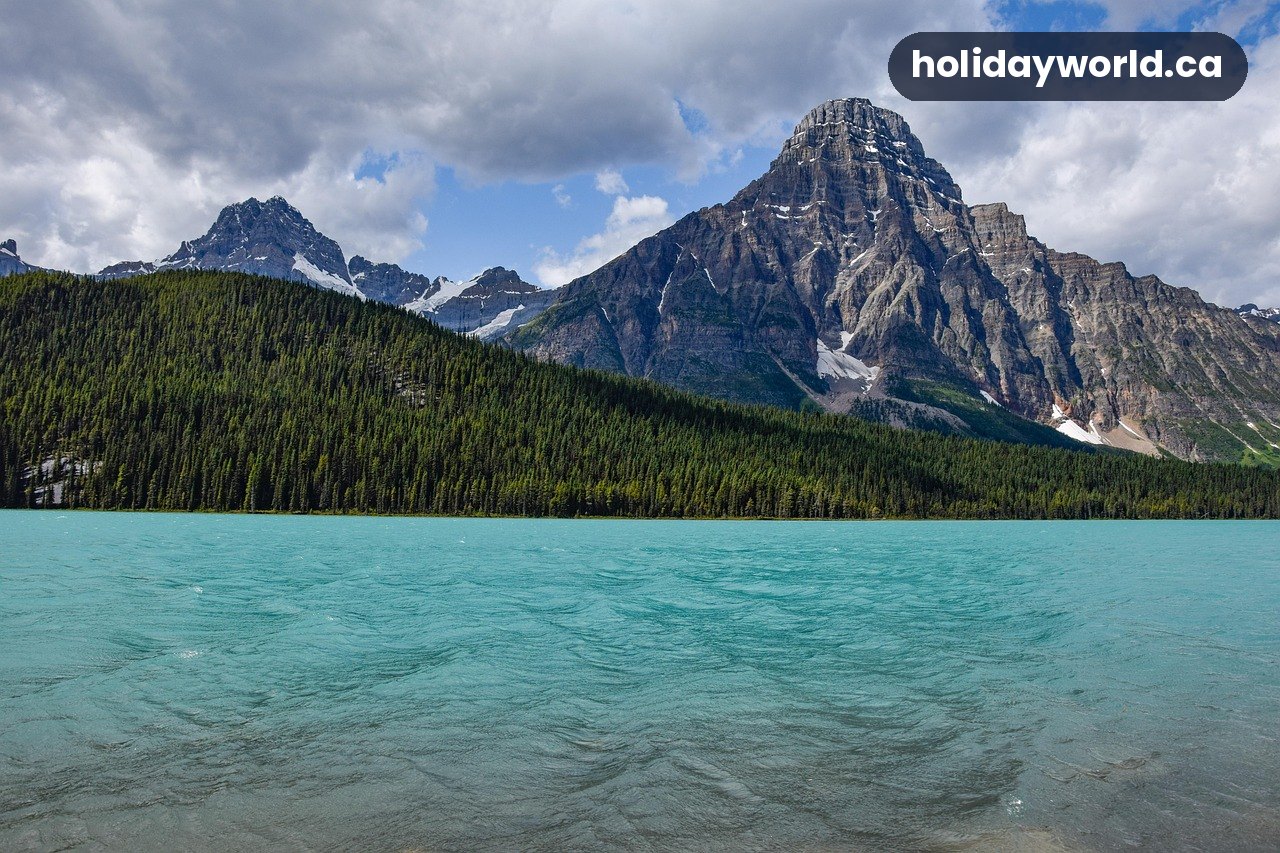
The Icefields Parkway is one of Canada’s great drives, linking Lake Louise and Jasper through the Canadian Rockies. It suits road-trippers who want mountain scenery without rushing, plus travellers who like short walks, glacier views and plenty of pullouts along the way. For Canadians flying in, Calgary is the easiest gateway, with Edmonton another common starting point if you’re building a wider Alberta trip. Expect to budget roughly $120 to $300 a day for a rental car, fuel and park entry on top of accommodation, with hotel or cabin stays often running about $180 to $450 a night in season. Check current prices before you book.
Summer is the most popular time for clear roads, open trail access and long daylight hours. Late spring and early fall can also be excellent, with fewer crowds and cooler temperatures. Winter is a different trip altogether. The route is still open, but conditions can change fast, traction gear matters and daylight is limited. If you’re driving in shoulder season or winter, check road reports and weather forecasts before you go.
Why the Icefields Parkway is worth the drive
This stretch of Highway 93 is famous for its mountain walls, braided rivers, hanging glaciers and viewpoints that arrive one after another. You can cover it in a day, but that would miss the point. The best trips allow time for short hikes, glacier stops and spontaneous pauses at pullouts where the view deserves more than a quick photo.
It also works well for different kinds of travellers. Couples can build a scenic getaway around a few relaxed nights in the Rockies. Families can mix easy walks with wildlife watching. Solo travellers often appreciate how straightforward the route is, especially when paired with a stop in Banff, Lake Louise or Jasper. The road is remote enough to feel like an escape, but it’s still one of the best-known drives in the country, so planning matters.

Best time to go
Summer, roughly June to September, is the easiest time for most travellers. Trails are more likely to be snow-free, lakes are at their brightest blue-green and services around the route are fully open or close to it. It’s also the busiest season, so book accommodation early if you want to stay near Lake Louise, Saskatchewan River Crossing or Jasper.
Late spring, especially May and early June, can be a smart choice if you want fewer crowds and don’t mind cooler weather. Some trails and viewpoints may still have snow patches, and not every high-elevation walk will be in good shape. The trade-off is quieter roads and lower prices in some places.
Fall, from September into early October, brings crisp air, golden larches in the right spots and a calmer feel than mid-summer. Days get shorter quickly, so start early if you plan to stop often. By later October, weather can turn quickly and some facilities begin scaling back.
Winter and early spring are best for experienced drivers who are comfortable with snow, ice and changing mountain conditions. You’ll get a much quieter route, but you also need flexibility. Pack emergency supplies, keep your fuel topped up and check official road and avalanche information before setting out.
Getting there from Canada
Most Canadians begin with a flight into Calgary, then pick up a rental car and drive west to Lake Louise, where the Icefields Parkway begins. From Toronto or Montreal, that usually means a longer travel day and a connection; from Vancouver, the flight is shorter, but you still need to factor in the drive to the Rockies. Edmonton also works well, especially if you want to combine Jasper with the parkway and loop back east or south.
Once you’re on the road, give yourself time. The distance itself is manageable, but the scenery encourages frequent stops. A one-day drive is possible, yet many travellers are happier splitting the route into two or three days. If you’re returning to Calgary, plan a different route back if your schedule allows, or continue on to Banff for a few more days in the mountains.
Before you leave, make sure your rental agreement covers the kind of driving you expect. Mountain weather can change quickly, and you may want winter-rated tyres or other traction equipment depending on the season. Check current rental rules and park conditions before finalising your booking.
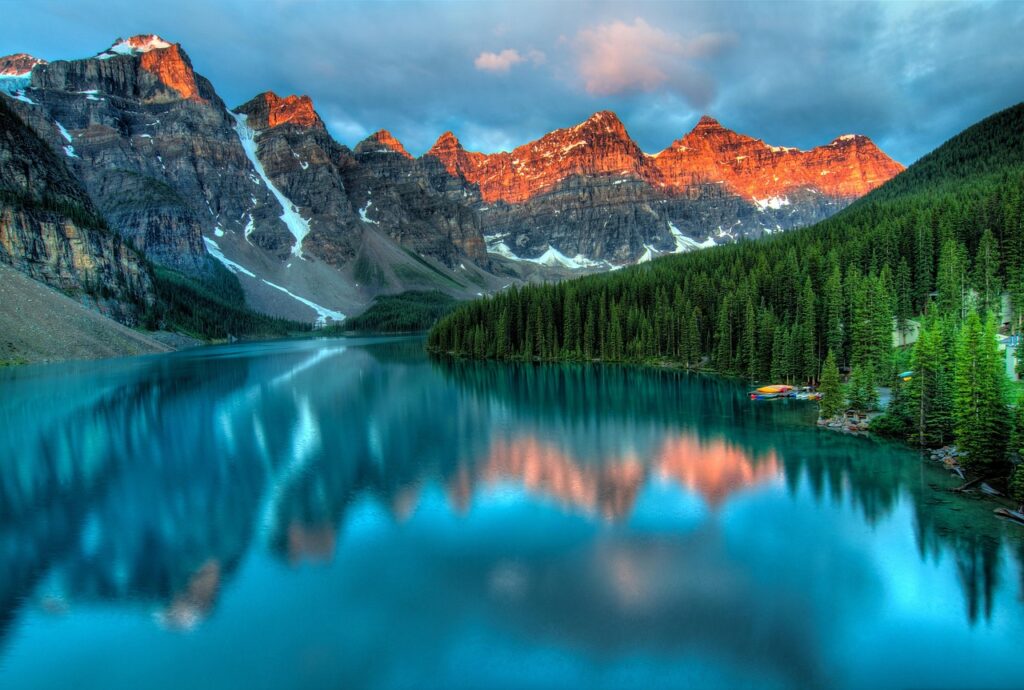
Top stops you can’t miss
Lake Louise and the start of the parkway
Most trips begin at Lake Louise, where the mountain setting sets the tone for the rest of the drive. Even if you’re not staying overnight, it’s worth arriving early enough to walk the lakeshore or pause for a coffee before heading north. In summer, parking can be challenging, so plan for shuttle options if needed and allow extra time.
The area also makes a logical first night if you want to break the drive up. From there, the Parkway feels less like a transfer and more like the main event.
Peyto Lake viewpoint
Peyto Lake is one of the most recognisable stops on the route, known for its bright blue water and the shape of the valley below. The walk from the parking area is short, which makes it an easy stop for most travellers. In good weather, it’s one of the clearest examples of what makes the Icefields Parkway special: dramatic scenery without a long hike.
Because the viewpoint is popular, it’s smart to stop early in the day or later in the afternoon if you want a bit more breathing room.
Bow Lake
Bow Lake offers a quieter, slower-paced stop with classic mountain reflections on calm days. It’s a strong place to stretch your legs, take a short shoreline walk and enjoy the open space. The area is also useful as a reset point between the more famous viewpoints, since it tends to feel less hurried.
If you’re building a flexible itinerary, this is a good place to pause without feeling like you need to move on immediately.
Columbia Icefield and Athabasca Glacier area
This is the signature stop for many road-trippers. The Columbia Icefield area gives you a close look at the high alpine landscape and the large glacier views that define this part of Alberta. You don’t need to do a big excursion to appreciate the area, although some visitors choose guided glacier or skywalk experiences. Those are optional, and availability can vary by season, so check current details before you go.
Even a short stop here is memorable. The scale of the landscape is hard to judge until you’re standing beside the road looking up at it.
Sunwapta Falls
Sunwapta Falls is one of the easiest waterfall stops on the route. It’s a useful place to break up the drive, especially if you’re heading toward Jasper late in the day. The falls are powerful in spring and early summer when runoff is high, but the site is attractive in any season with the right light.
It’s also an easy add if you want a stop that doesn’t require much walking.
Athabasca Falls
Athabasca Falls is another classic stop near the Jasper end of the Parkway. The falls aren’t especially tall, but the water volume and the rock formations make them impressive. Walk the viewing paths carefully and give yourself time to explore the different angles. If you’re coming north in the afternoon, this is one of the best final stops before arriving in Jasper.
Because it’s close to town, it also works well on your return leg if you’re driving the route southbound.
Where to stay along the route
For most travellers, the best approach is to stay in Lake Louise or Banff at the southern end, then Jasper at the northern end, with perhaps one overnight near the middle if you want a slower pace. Lake Louise is practical if you want an early start. Banff gives you more dining and lodging choice, though it adds time before and after the Parkway itself. Jasper is the obvious base at the end of the drive and works well for a longer mountain stay.
If you prefer an in-between stop, look at areas near Saskatchewan River Crossing or other established lodging points along the route, but book far ahead because options are limited and prices can climb quickly in summer. Many travellers also choose to stay one night in Banff and one or two in Jasper, then drive the Parkway as the centrepiece of the trip rather than trying to rush through in a single long day.
For a road trip from Calgary, a common pattern is two nights in the Banff/Lake Louise area, one night along the route or in Jasper, and one or two nights back in Jasper if you want more time there. That keeps driving reasonable and gives you flexibility if the weather changes.
Suggested 3- to 5-day itinerary
- Day 1: Fly into Calgary, pick up your rental car and drive to Banff or Lake Louise. Keep the afternoon light with a short walk, a meal and an early night.
- Day 2: Start north on the Icefields Parkway. Stop at Bow Lake, Peyto Lake and the Columbia Icefield area before continuing to Jasper or an overnight stop along the route.
- Day 3: Spend time around the Columbia Icefield, Sunwapta Falls and Athabasca Falls if you didn’t see them the day before. Arrive in Jasper and enjoy a relaxed evening.
- Day 4: Stay in Jasper for a full day, or use this as a buffer for weather, walking or a slower pace.
- Day 5: Drive back south, or continue on to another Alberta destination if your trip is longer.
If you only have two days, choose your stops carefully and keep the itinerary simple. Pick one or two major viewpoints, one waterfall and one longer lunch break instead of trying to check off everything. The road rewards restraint.
Budget for Canadians
- Flights from Canada: roughly $250 to $700 round trip from Vancouver or Edmonton, and about $300 to $800 or more from Toronto or Montreal, depending on the season and how early you book. Check current fares.
- Rental car: about $120 to $300 per day, with higher rates in peak summer and for one-way trips. Confirm insurance and fuel policy before booking.
- Fuel: roughly $60 to $180 for the full drive and local touring, depending on your route, vehicle and detours.
- Park entry: expect about $12 to $15 per adult per day for Parks Canada entry, or about $25 to $30 for a daily family/group pass. Verify current fees before travel.
- Accommodation: roughly $180 to $450 a night for standard rooms in busy season, with higher rates in Lake Louise, Banff and Jasper.
- Food: about $50 to $120 per person per day, depending on whether you eat in restaurants, pack picnic lunches or stay somewhere with kitchen access.
- Optional activities: glacier, gondola or sightseeing experiences can add roughly $60 to $200 or more per person, depending on what you choose.
Practical tips for the drive
- Start early. You’ll have better light for photos, more time for stops and a better chance of finding parking at busy viewpoints.
- Keep your tank topped up. Services are limited along parts of the route, so don’t let fuel get too low.
- Pack layers. Even in July, mornings can be cool and windy at higher elevations.
- Carry snacks and water. It helps if you want to linger at viewpoints or if you’re travelling with kids.
- Check road and weather conditions. Mountain weather changes quickly, especially outside midsummer. Look at official park and highway updates before you leave each day.
- Watch for wildlife. Animals can appear near the road at any time, particularly near dawn and dusk. Drive cautiously and never stop in unsafe places.
- Plan phone coverage as limited. Service can be patchy in remote sections, so download maps before you set out.
- Use official sources for entry and safety guidance. For current park information, border or insurance questions, and any health advice, check the Government of Canada travel advice at travel.gc.ca and official Parks Canada sources before departure.
Frequently asked questions
How long does it take to drive the Icefields Parkway?
You can drive it in about 3 to 4 hours without stopping, but that defeats the purpose for most travellers. Plan for a full day if you want to see the major viewpoints, and longer if you want to include hikes or guided experiences.
Can I drive the Icefields Parkway in winter?
Yes, but only if you’re comfortable with winter mountain driving and prepared for changing conditions. Check road reports, weather forecasts and your vehicle’s equipment before you go.
Is it better to start from Banff or Jasper?
Either direction works. Starting from Banff or Lake Louise is common if you’re flying into Calgary, while Edmonton travellers often begin in Jasper. The scenery changes slightly with direction, but both ends are strong.
Do I need to book everything in advance?
In summer, it helps to book accommodation, car rental and any major activities early. The route itself doesn’t need a reservation, but popular stops and lodging fill quickly during peak season.