
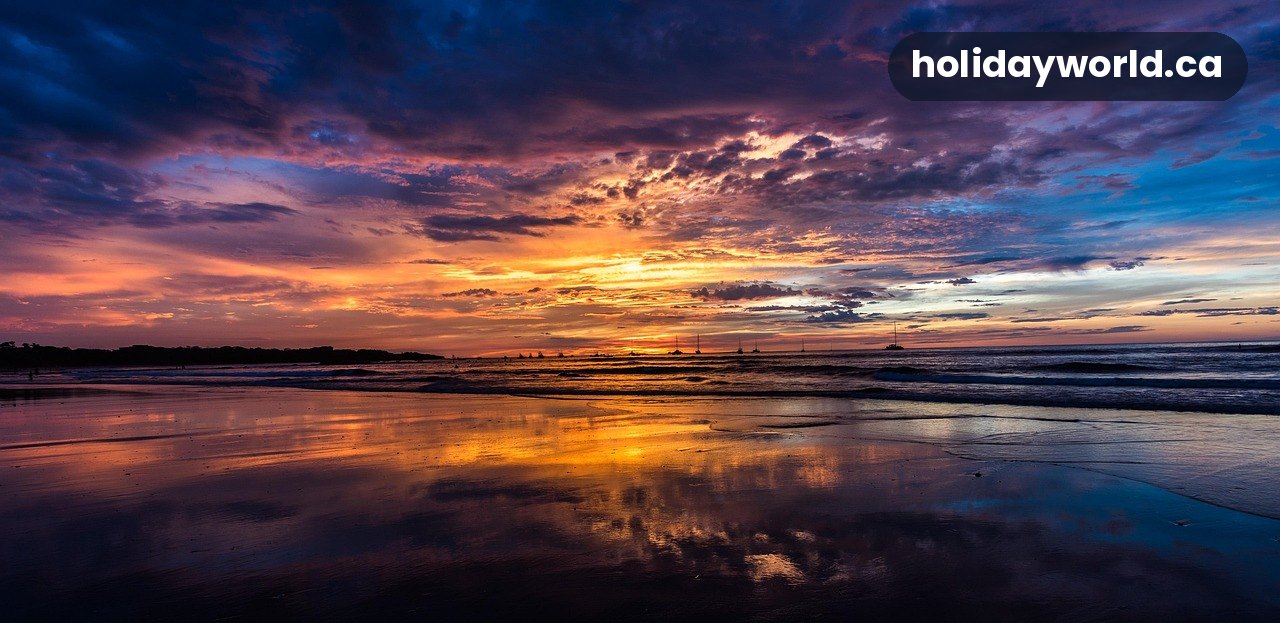
Costa Rica in March is a strong pick for Canadians who want warm beaches, dry weather on the Pacific side, and a trip that can fit a wide range of budgets. For travellers leaving from Toronto or Vancouver, it usually means a long-haul flight, but March is one of the more reliable months for sunshine in much of the country. Expect rough round-trip airfares from about $550 to $1,100 CAD from Toronto and about $650 to $1,200 CAD from Vancouver, depending on route, booking lead time and baggage. Check current prices before you book.
March is especially popular for people who want a winter escape that feels active rather than resort-only. You can split time between beach towns, national parks, surf spots and wildlife areas, then choose where to stay based on how much driving you want to do. This works well for couples, friends, solo travellers and families with older kids who don’t mind a few road transfers.
Why March works well for Costa Rica
March sits in the dry season on the Pacific coast, which usually means lots of sun, lower rainfall and easier road conditions than the wetter months. That’s good news if you want beach time without planning around afternoon showers. The Caribbean coast follows a different weather pattern, so it can see rain even when the Pacific side is dry. If you want the simplest planning, focus on the Pacific.
It’s also a good month for mixing coast and nature. The country’s parks are open year-round, but March often gives you clearer skies for volcano views, ziplining, hanging bridges and boat trips. The trade-off is demand. March overlaps with spring break periods in North America, so flights and popular hotels can cost more than they do in shoulder seasons such as May or November.
Weather in March
Across much of Costa Rica, March is warm to hot, with daytime temperatures often sitting in the high 20s to low 30s Celsius in lower coastal areas. Nights are usually milder, though still warm compared with Canada. The central highlands, including areas around San José, tend to be cooler and more comfortable in the evening.
On the Pacific coast, rain is usually limited in March. Guanacaste and other north Pacific areas are among the driest parts of the country at this time. The Nicoya Peninsula and southern Pacific coast are also good bets for sun, though humidity can still be noticeable. The Caribbean side, including parts of Puerto Viejo and Cahuita, can be wetter and less predictable. If beach weather is your priority, March is one of the best times to plan around the Pacific.
For Canadians, the practical point is simple: pack for heat, sun and sudden humidity. Think light clothing, a hat, reef-safe sunscreen, sandals and one light layer for air-conditioned buses or restaurants. A compact rain shell can still come in handy, especially if you’re moving between regions.
How to get there from Canada
From Toronto, look at flights into San José or Liberia. San José is the main gateway for central and eastern parts of the country, while Liberia is often the easier arrival point for Guanacaste beaches such as Tamarindo, Playa Hermosa and Papagayo. Flight times are roughly 5 to 6 hours to San José from Toronto, and a bit less to Liberia on some routings, though schedules vary.
From Vancouver, trips are longer and usually involve at least one connection. Plan for roughly 8 to 11 hours of total travel time or more, depending on the route. Many travellers from British Columbia prefer Liberia if they’re heading straight to the Pacific beach zone, while San José can make sense if you’re combining the coast with central valley destinations.
It’s smart to compare both airports in Costa Rica before you book. Sometimes the cheaper fare is not the airport that makes the most sense for your itinerary. If you’re doing a road trip, a one-way car rental can be useful, but it usually costs more. For a beach-focused holiday, a shuttle transfer or private transfer may be simpler than driving everywhere yourself.

Best beaches for a March trip
Tamarindo
Tamarindo is one of the easiest Pacific beach towns for first-time visitors. It has a long sandy beach, steady surf, plenty of tour options and enough restaurants and services to keep planning straightforward. March is a good month here because the dry weather suits beach days and sunset walks. It’s also a convenient base if you want a mix of swimming, surf lessons and nearby day trips.
Playa Hermosa and the Gulf of Papagayo
If you want a quieter beach stay than Tamarindo, the Papagayo area in Guanacaste is worth a look. Playa Hermosa and the nearby resort zone are known for calm waters, good snorkelling conditions in the right spots and easy access from Liberia. This area suits travellers who want a more laid-back beach holiday without giving up comfort.
Nosara
Nosara is a favourite for travellers who want yoga studios, surf culture and a slower pace. The roads can be rougher than in more developed beach areas, so it’s better for people who are comfortable with a bit more logistics. March usually brings reliable sun, which helps if you’re trying to balance beach time with surf lessons or wellness-focused days.
Santa Teresa
Santa Teresa on the Nicoya Peninsula has a reputation for long beach days, surf and a more remote feel. It can be a good match for younger couples and independent travellers who don’t mind a longer transfer. March is a busy, sunny month here, and the beach atmosphere can feel lively without becoming overly formal.
Manuel Antonio
Manuel Antonio is a smart choice if you want beaches plus one of Costa Rica’s best-known national parks. The beach itself is lovely, and the park adds wildlife viewing in a compact area. For Canadians on a shorter trip, this can be a practical way to combine rainforest, monkeys and beach time without covering too much ground.
Other things to do beyond the beach
Visit national parks
March is a good time for Manuel Antonio, Rincon de la Vieja and Arenal-area outings, especially if you want dry-weather hiking and easier viewpoints. Costa Rica’s parks are one of the country’s biggest draws, and many travellers build the trip around one coast and one inland stop rather than trying to see everything.
Try a wildlife boat tour
In several regions, boat trips can bring you close to mangroves, estuaries and birdlife. These outings work well in March because calm weather often makes the ride more comfortable. They’re a nice contrast to beach time and can suit families as well as couples.
Plan for adventure activities
Ziplining, hanging bridges, surf lessons and waterfall visits are all common March activities. If you want something active, the dry season usually makes transfers easier and visibility better. Just book popular tours in advance if you’re travelling during spring break weeks.
Where to stay
For a first trip, choose your base by coast rather than trying to move every other day. In Guanacaste, stay near Tamarindo if you want easy services, nightlife and a broad range of hotels. Choose Papagayo or Playa Hermosa for a quieter resort-style stay. Nosara and Santa Teresa work best if you want a more relaxed, surf-oriented feel.
Manuel Antonio suits travellers who want beaches and wildlife in one place, while the central valley around San José is mainly useful for one-night stopovers or a city arrival before moving on. If you’re planning a split stay, a common pattern is a few nights near the Pacific coast, then one or two nights inland for volcanoes or coffee country.
As a rough guide, mid-range beach hotels in March can run from about $180 to $350 CAD a night, with higher-end resorts often from about $400 to $900 CAD or more. Smaller guesthouses and simpler lodges may start around $90 to $160 CAD a night. Rates shift a lot by location and booking date, so check current prices early if you’re going for March break.
Suggested 7-day March itinerary
- Days 1 to 2: Arrive in Liberia or San José and settle into your first base. If you land in Liberia, head straight to the Pacific coast. If you land in San José, consider an overnight before continuing if your arrival is late.
- Days 3 to 4: Spend your beach days in Tamarindo, Playa Hermosa, Papagayo, Nosara or Santa Teresa. Keep one day light for swimming, sunset time and a low-key dinner.
- Day 5: Add a boat tour, surf lesson or national park visit. Manuel Antonio works well if you’re based farther south, while Guanacaste has easy wildlife and adventure options too.
- Day 6: Move inland if you want a change of scenery. Arenal, La Fortuna or the central highlands are common choices for hot springs, hanging bridges and forest walks.
- Day 7: Return to your departure airport and leave extra time for traffic and transfers. Costa Rica is not a place to cut airport timing close, especially during busy travel periods.
Budget for Canadians
Costs can vary a lot by comfort level and by whether you travel as a couple, family or solo traveller. These are rough ranges in Canadian dollars for March. Check current prices before you book.
- Flights from Toronto: about $550 to $1,100 CAD return
- Flights from Vancouver: about $650 to $1,200 CAD return
- Mid-range hotel or resort: about $180 to $350 CAD per night
- Higher-end beach resort: about $400 to $900 CAD or more per night
- Simple guesthouse or budget stay: about $90 to $160 CAD per night
- Meals: about $40 to $90 CAD per person per day, more at resort-heavy or tourist-centre restaurants
- Local transport or shuttle transfers: about $60 to $200 CAD per person for common shared or private transfer options, depending on distance and route
- Car rental: often about $60 to $150 CAD per day before insurance and extras, with higher prices in peak periods
- Activities and park visits: about $30 to $150 CAD per person for many common tours and entries, depending on the experience
A comfortable one-week trip for one adult can often land somewhere around $2,200 to $4,500 CAD before shopping and big splurges. Couples usually save a bit on shared rooms and transfers, while families can see costs rise quickly if they choose peak-season resorts or private transport.
Practical tips for March travel
- Book early if you’re travelling during March break. Demand from Canada and the U.S. pushes prices up fast.
- Check whether your itinerary makes more sense through Liberia or San José. The wrong airport can add hours of driving.
- Keep some flexibility for road travel. Even in dry season, traffic and road conditions can affect timing.
- Bring cash in small amounts for tips, small purchases and some local expenses, but don’t carry more than you need.
- Use sun protection every day. March sun can be stronger than many Canadians expect.
- Check entry requirements, safety and health advice before departure at travel.gc.ca and official Costa Rican sources.
- Consider travel insurance that covers medical care and trip disruption. It’s a smart add-on for any long-haul trip.
Frequently asked questions
Is March a good time to visit Costa Rica from Canada?
Yes. March is one of the better months for dry, sunny weather on the Pacific coast. It’s especially good if you want beach time, road trips and outdoor activities with less rain to work around.
Which airport is better for Costa Rica beaches?
Liberia is often better for Guanacaste beaches such as Tamarindo, Playa Hermosa and Papagayo. San José is more useful if you’re heading to Manuel Antonio, the central valley or inland destinations first.
How much should Canadians budget for a week in Costa Rica in March?
A realistic budget for one person is often around $2,200 to $4,500 CAD for a comfortable week, including flights, lodging, food and some activities. You can spend less with simpler stays or more if you choose premium resorts.
Do I need a rental car in Costa Rica?
Not always. If you’re staying in one beach area and using transfers or guided tours, you may not need one. A car helps if you want to move around independently, but it also adds cost and driving stress.