
Maui is a strong choice for Canadians who want warm weather, ocean views and easy day trips without needing a full-on resort crawl. It works well for couples, families and winter travellers from major Canadian airports such as Vancouver, Calgary, Edmonton, Toronto and Montreal, with flight schedules and fares varying by season. For most trips, the best time to go is spring or fall for good weather and fewer crowds, while winter brings higher prices and a better chance of seeing whales. Expect roughly $600 to $1,100 CAD roundtrip from western Canada and about $800 to $1,500 CAD from central and eastern Canada, though prices change a lot. Check current fares before you book.
Maui is also one of the easier Hawaiian islands to plan around because the main visitor areas are distinct. If you know whether you want a beach base, a quieter resort zone or a better place for exploring by car, choosing where to stay gets much simpler. Driving is part of the trip for most visitors, so understanding road times matters too. Distances can look short on a map, but traffic, mountain roads and scenic stops can stretch a simple point-to-point drive into a half-day outing.
Why Maui works well for Canadian travellers
Maui suits travellers who want a relaxed pace with enough variety to keep a week interesting. You can split time between beach days, a drive upcountry, a snorkelling outing and a sunrise or sunset experience without moving hotels. The island’s size makes it easier to manage than some bigger destinations, especially if you are travelling with kids or older relatives and want to avoid long transit days.
Canadian travellers often like Maui for the weather, too. You can trade a Canadian winter for warm ocean swimming and dry trade winds, with ocean temperatures generally comfortable most of the year. That said, Maui is not a budget destination. Flights, car rentals and hotels add up quickly, especially during holidays, March Break and school break periods. Planning early can make a real difference.
Best time to visit Maui
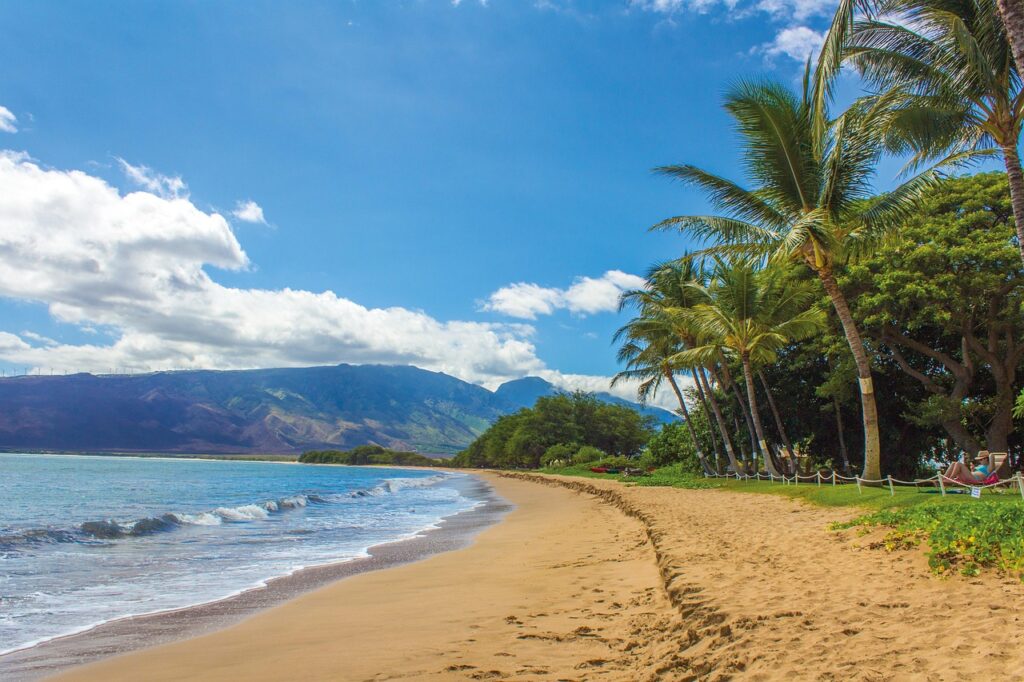
Spring, especially April and May, is a sweet spot for many Canadians. The weather is usually warm and settled, and you are less likely to pay peak winter prices. Fall, especially September and October, can also be a good choice if you want decent weather and more availability outside school holiday periods.
Winter, from roughly December through March, is the most popular time for whale watching. It is also the most expensive period, particularly around Christmas, New Year’s and Family Day or March Break travel windows. If you want to travel then, book flights and accommodation well ahead of time. Summer is warm and popular with families, though accommodation rates can still be high and afternoon showers are more common in some areas.
If you are sensitive to heat, humidity or crowds, avoid building your trip around the busiest holiday periods. For many Canadian travellers, shoulder seasons offer the best balance of price, weather and availability.
Getting to Maui from Canada
Most Canadian travellers fly into Kahului Airport, the island’s main airport. From Vancouver, the trip is often about 6 to 7 hours of flying time, while departures from Calgary, Edmonton, Toronto or Montreal usually involve a longer total journey with at least one connection unless schedules happen to line up well. Check current routes and layovers before booking, as service changes seasonally.
For flights, it helps to compare major Canadian departure airports because pricing can differ a lot. Vancouver is often the easiest gateway for western Canada. Calgary and Edmonton can also be competitive, especially for winter sun trips. From Toronto and Montreal, fares may be higher and total travel time longer, so it is worth checking a few date combinations if your schedule is flexible.
On Maui, a rental car is usually the most practical choice unless you are staying in one resort area and only plan to use taxis or shuttle transfers. Public transit exists, but it is not the best option for most visitors who want to explore beaches, trailheads and different parts of the island.
Best areas to stay on Maui
Wailea for a polished resort stay
Wailea is one of the most popular areas for travellers who want upscale hotels, calm beaches and easy access to golf, spas and oceanfront walks. It is a good match for couples, honeymooners and anyone who wants a quieter, more controlled resort base. The beaches here are attractive and generally easier to enjoy for swimming and lounging than in some windier parts of the island.
Wailea is usually more expensive than other areas. Expect hotel rates to start around $400 to $900 CAD a night, with premium properties often well above that in peak season. It is not the cheapest place to stay, but it can reduce the need to drive every day if your goal is a restful holiday.
Kihei for a practical beach base
Kihei is a popular choice for Canadians who want a more casual stay with easier access to shops, beaches and condo-style lodging. It can be a useful base for families or longer stays because accommodation may be more affordable than in Wailea and self-catering is easier here. You will also find a less formal pace and more everyday convenience.
Kihei works well if you plan to explore the island by car and do not need the most polished resort setting. Rates often run roughly $250 to $500 CAD a night for many mid-range options, though condos and peak dates can push that higher. The area is not as manicured as Wailea, but many travellers like the balance of price and location.
Lahaina and the west side for sunsets and easy access
The west side, including areas around Lahaina and nearby resort zones, has long been a major base for visitors because of the beaches, sunsets and convenient access to snorkelling and boat departures. Parts of Lahaina have been deeply affected by the 2023 wildfires, so travellers should check the current status of accommodation, access and local guidance before booking. The broader west side still matters for many visitors, but conditions and services can change.
If you stay on the west side, expect easy access to some of Maui’s most popular coastal stretches and a strong resort feel. Prices vary widely depending on what is open and available, so current checks are essential.
Kapalua for a quieter, scenic setting
Kapalua is better suited to travellers who want a more secluded feel and are happy being a little removed from the busiest parts of the island. It is known for dramatic coastline views, golf and a calm, upscale atmosphere. It can be a good fit for couples who value space and scenery over shopping or nightlife.
Because it is more resort-focused and less central for day-to-day errands, Kapalua works best if you are comfortable driving for meals and activities. Budget roughly $450 to $1,000 CAD a night or more depending on season and property type.
Top things to do on Maui
Drive the Road to Hana
The Road to Hana is one of Maui’s signature drives, and it deserves a full day. The road is narrow in places and has many curves, so slow driving is part of the experience. From Kahului to Hana, the drive can take about 2.5 to 4 hours one way without long stops, and much longer if you pause for waterfalls, short walks and roadside viewpoints. Most travellers should not try to rush it.
Start early, fill up on gas beforehand and avoid overloading the day with too many stops. If you are prone to motion sickness, bring what you need for that. A full loop farther beyond Hana is not always practical or recommended for every rental car arrangement, so read your rental terms carefully.
Spend time at Haleakalā
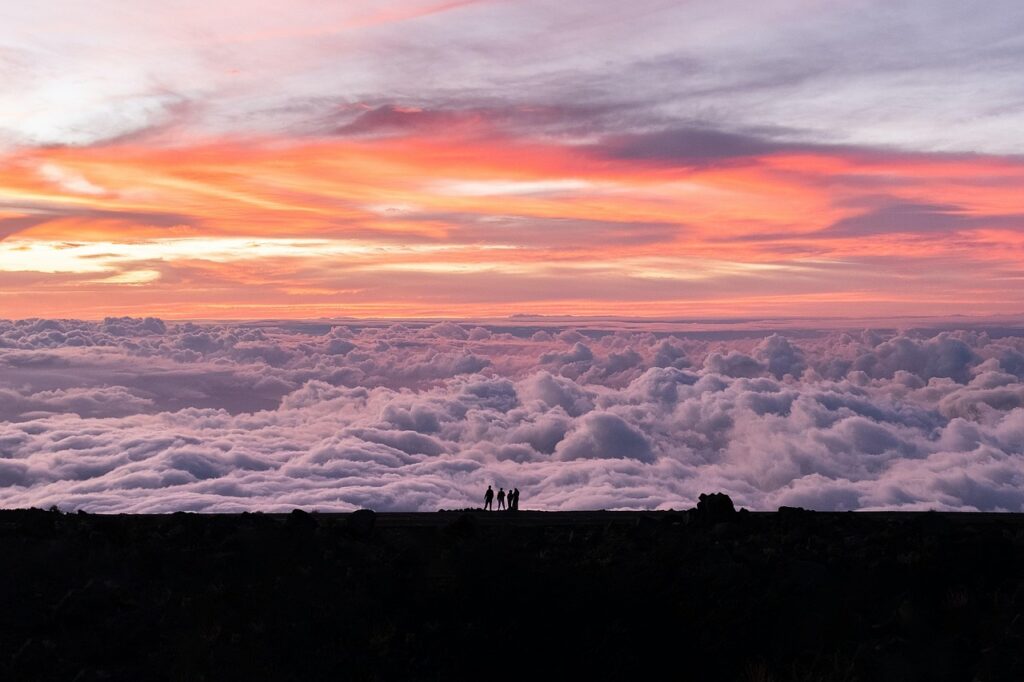
Haleakalā National Park is famous for sunrise views, but even if you skip the earliest start, the summit area is worth planning for. The landscape is very different from the coast, with cooler temperatures, high elevation and long views over volcanic terrain. You will need layers, even if it is warm at sea level.
Drive time from the main resort zones to the summit area can be around 1.5 to 2.5 hours each way, depending on where you are staying and traffic. If you want to see sunrise, check the park’s reservation requirements and current rules before you go, since access policies can change.
Go snorkelling or boat watching along the coast
Maui is well known for snorkelling, especially in calmer bays and marine reserve areas. Conditions change with weather and season, so pick a site that matches your comfort level and check local advice before entering the water. Winter can also bring whale watching opportunities from shore and by boat, which is a major draw for Canadians escaping the cold.
Expect to spend roughly $80 to $180 CAD per person for some boat or snorkelling tours, depending on length and inclusions. Check current prices and safety policies before booking, and choose operators that follow marine and wildlife guidelines.
Relax on Kihei, Wailea and west side beaches
Beach time is part of the Maui rhythm. The south shore around Kihei and Wailea often has easier swimming conditions than some other parts of the island, while west side beaches are popular for sunsets and resort access. Bring reef-safe sunscreen, water and shade if you are planning a longer beach day.
Some beaches are better for families, while others are better for strolling, boogie boarding or watching the ocean. Conditions can shift quickly, so ask locally about currents and surf before jumping in.
Visit upcountry for a different side of the island
Upcountry Maui gives you cooler temperatures, ranchland views and a less beach-heavy day. Places in the slope and pasture areas are a good break from the coast, especially if you want a slower afternoon after a busy drive or a morning on the water. It is also a useful way to understand the island beyond the resort strip.
Road times from the main beach areas are usually manageable, but plan extra time for stops and photo breaks. This is a nice option if you are staying longer than five days and want to balance ocean time with something different.
Suggested 5-day Maui plan
- Day 1: Arrive, settle into your base and keep the first afternoon light. A beach walk, grocery stop and early dinner are usually enough after a long flight from Canada.
- Day 2: Head out for a south shore beach day in Kihei or Wailea, then watch the sunset from a convenient coastal spot near your accommodation.
- Day 3: Set aside the day for the Road to Hana. Start early and keep expectations realistic. The drive itself is the main event.
- Day 4: Do Haleakalā or a snorkelling outing, depending on your priorities and the weather.
- Day 5: Leave one slower day for shopping, another swim, a lunch stop and packing before your flight home.
If you have a week, add an upcountry day or a second ocean excursion. That extra time helps because Maui rewards slower travel more than packed itineraries do.
What a Maui trip costs in Canadian dollars
Maui is rarely a cheap getaway, but the total cost depends a lot on when you go and where you stay. Here is a practical ballpark for one traveller in Canadian dollars, based on current trip planning patterns. Check current prices before you book.
- Roundtrip flights from Canada: roughly $600 to $1,500 CAD, depending on departure city and season
- Mid-range hotel or condo: roughly $250 to $500 CAD per night in areas like Kihei; roughly $400 to $900 CAD per night in Wailea or similar resort zones
- Rental car: roughly $70 to $160 CAD per day, sometimes higher in busy periods
- Fuel and parking: roughly $40 to $120 CAD for a short trip, depending on how much you drive and where you stay
- Meals: roughly $60 to $150 CAD per day per person if you mix casual meals with a few nicer dinners
- Activities: roughly $0 to $180 CAD per day, depending on whether you stick to beaches or book tours
- Travel insurance: often roughly $50 to $150 CAD or more for a short trip, depending on age and coverage
For a 5- to 7-day trip, many Canadian travellers should expect a total of roughly $2,200 to $5,500 CAD per person before shopping and extras, with higher costs for peak-season stays and resort-heavy itineraries. Travelling as a family can lower some per-person costs if you share accommodation and a rental car.
Practical tips for Canadians
- Book early for winter travel. December through March is popular, especially for Canadians escaping snow and cold.
- Compare departure airports. Fares from Vancouver, Calgary, Edmonton, Toronto and Montreal can vary by a surprising amount.
- Plan for a rental car. It is the easiest way to manage beaches, scenic drives and early starts.
- Check road conditions before long drives. The Road to Hana and mountain routes can be slower than they look on a map.
- Use reef-safe sunscreen. It matters for the water and for local rules and recommendations.
- Pack layers for Haleakalā. The summit can feel cool even on a warm island day.
- Check entry and health requirements before departure. Review the Government of Canada travel advice at travel.gc.ca and official Hawaiian and U.S. sources before you go.
- Keep an eye on local updates. Parts of Maui have changed in recent years, so confirm what is open, accessible and appropriate before you finalise plans.
Frequently asked questions
How many days do you need in Maui?
Five days is enough for a basic first trip if you focus on one base, a beach day, the Road to Hana and one major inland or ocean outing. Seven days gives you a better pace and less pressure.
Which Maui area is best for first-time visitors?
Wailea works well if you want a polished resort stay, while Kihei is a more practical base for travellers who want easier self-catering and lower average hotel costs. If you want a quieter setting and do not mind higher rates, the west side can also be appealing, depending on current access and accommodation availability.
Is Maui expensive for Canadians?
Yes, it can be. Flights, accommodation and rental cars make up most of the cost, and peak-season prices rise quickly. Shoulder season travel can help, especially if you are flexible with dates.
Do you need a car in Maui?
Most Canadian travellers will find a car very useful. It gives you flexibility for beaches, hikes, upcountry stops and the Road to Hana. If you only plan to stay in one resort area, you might get by without one, but your trip will be more limited.