
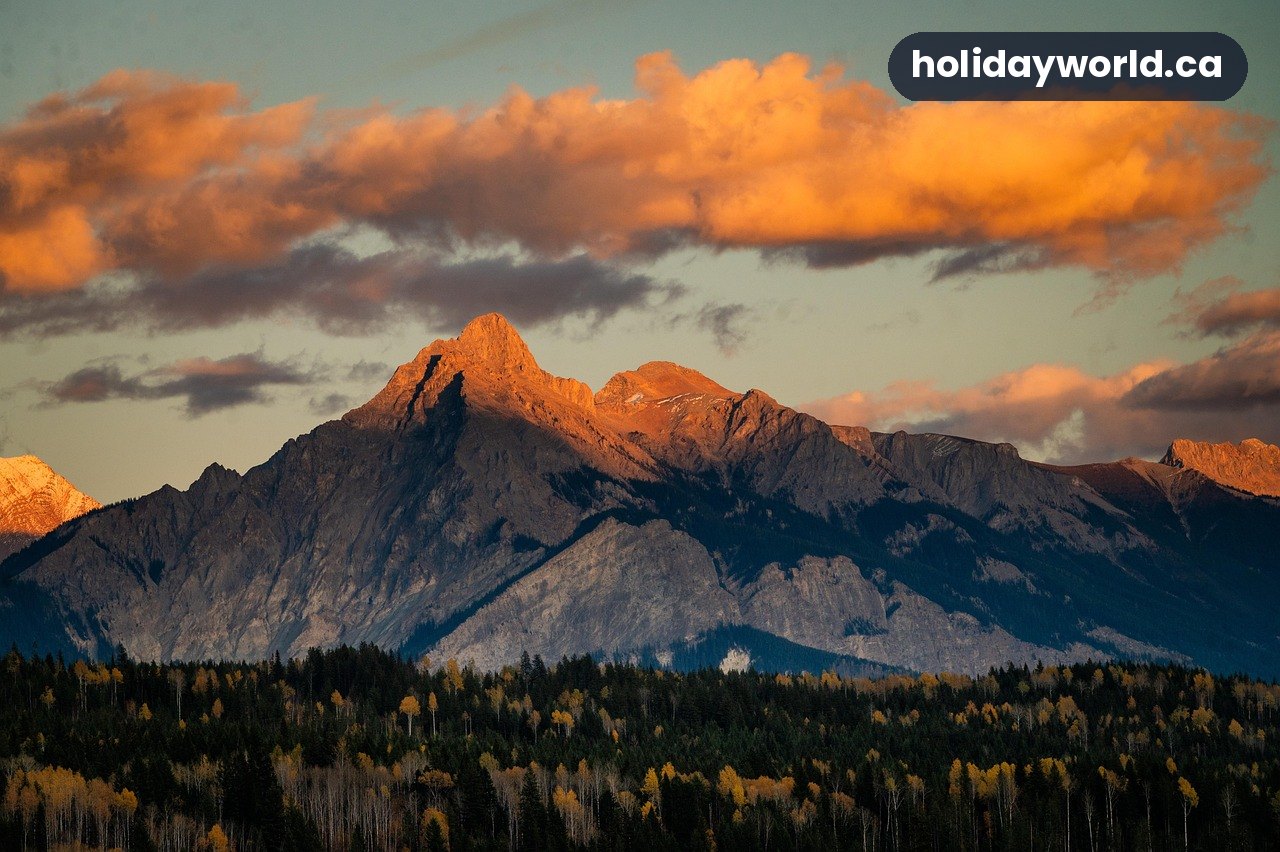
Banff in May suits Canadians who want shoulder-season prices, quieter trails, and that first real burst of spring in the Rockies. Expect a mix of melting snow, open valley roads, and fresh green in town, with higher-elevation trails often still holding winter conditions. From Calgary, flights are not the point here; most travellers either drive about 1.5 to 2 hours from Calgary or connect through it from other Canadian cities and then rent a car. For a May trip, a rough budget is about $250 to $500 per person for a simple 3-day visit before flights from Toronto, Montreal, Vancouver, Edmonton, or other cities, depending on how you plan and where you stay. Check current prices and weather before you book.
Why Banff works well in May
May sits between winter ski season and the peak summer rush, which makes it one of the easier times to see Banff National Park without the heaviest crowds. The town of Banff is lively but usually less packed than July and August, and you can often find better room rates than in midsummer. Roads and trails are a different story: some places open early, some stay snowy well into the month, and wildlife activity picks up as animals move into lower elevations.
It’s a good month for travellers who like flexible plans. You may get blue-sky days, light snow on the peaks, and wet, muddy trails all in one trip. If that sounds manageable, May can be a smart time to go. If you need guaranteed summer hiking conditions, you may want to wait. If you want skiing, you’re too late. Banff in May is in-between, and that’s the appeal.
What the weather is usually like
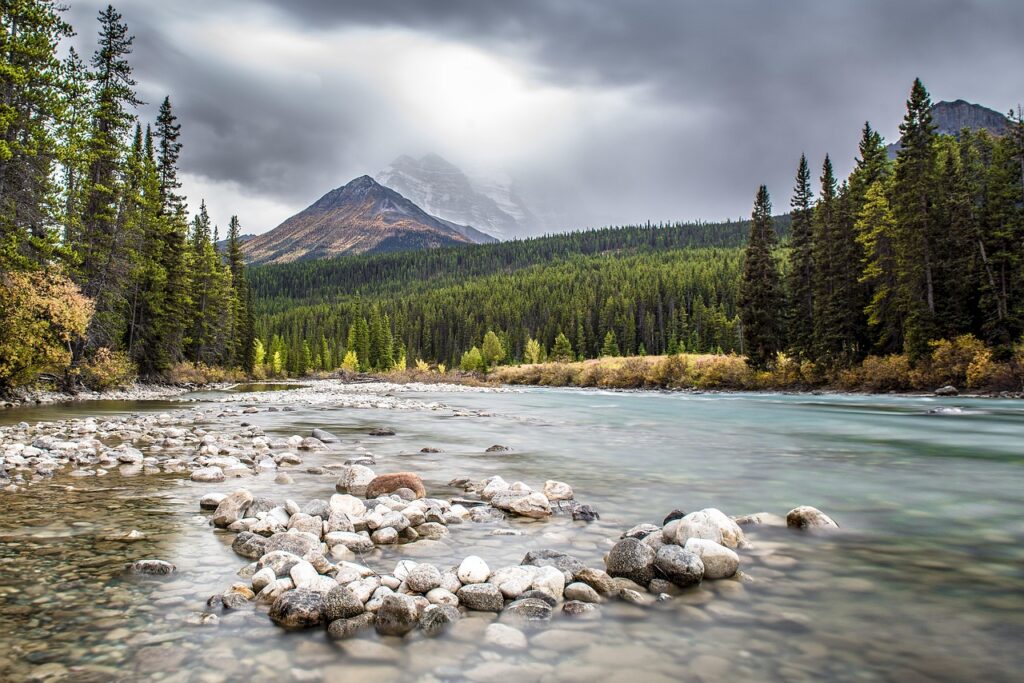
Banff weather in May can change fast. Daytime temperatures in the townsite are often cool to mild, while mornings and evenings can feel chilly. Rain is common, and snow is still possible, especially in the early part of the month or at higher elevations. On mountain roads and trails, conditions can shift from dry to slushy or icy with little warning.
For packing, think layers. Bring a warm jacket, waterproof shell, comfortable walking shoes or light hiking boots, gloves, a hat, and sunglasses. Even if the town feels spring-like, you’ll want cold-weather basics for gondolas, lakeside viewpoints, and early starts. If you plan to hike, check local trail reports and avalanche or closure notices where relevant. Conditions in Banff National Park can change quickly, and some routes remain unsuitable in spring.
Getting there from Canada
Most Canadian travellers reach Banff by flying into Calgary International Airport, then driving west on the Trans-Canada Highway. From Calgary, Banff is usually about 1.5 to 2 hours by car in normal conditions. If you’re coming from Toronto, Montreal, Vancouver, Edmonton, or Halifax, expect to connect through Calgary or another major hub and then rent a car. Flight times vary by route and schedule, so check current options when you book.
If you’re driving from Alberta, spring road conditions can still be unpredictable in the Rockies. A rental car gives you the most freedom for May, especially if you want to visit Lake Louise, the Bow Valley Parkway, or viewpoints outside the townsite. Public shuttles and park transport options can help in some cases, but they may not fit every itinerary, and some seasonal services do not run yet in early May. Confirm current schedules before you rely on them.
For drivers, remember that mountain weather can be very different from Calgary’s. Carry enough fuel, keep a charger in the car, and allow extra time for wildlife, construction, and spring road work. If you’re not used to winter-like driving in shoulder season, it’s wise to keep your plans compact and avoid late-night mountain travel.
Top things to do in Banff in May
1. Explore Banff townsite on foot
The town of Banff is the easiest place to start. Banff Avenue has shops, cafés, outfitters, and mountain views in every direction, and it’s a simple base for a first morning stroll. In May, you can usually move around without the midsummer crush, which makes it easier to grab a coffee, browse the park’s visitor information, and adjust your plans based on the day’s weather.
Use the townsite to stock up on snacks, fuel, and anything you forgot to pack. That sounds ordinary, but it matters in shoulder season, when you may decide to switch from a high trail to a lower walk after checking conditions.
2. Visit Lake Louise and Moraine Lake area viewpoints
Lake Louise is one of the most famous sights in the park, and May often gives you a chance to see it before the full summer rush. The lake itself can still be partly frozen early in the month, with snow lingering around the shoreline and trails. That doesn’t make it less worthwhile. It changes the mood completely. The water, ice, and mountain backdrop can feel dramatic in a way summer visitors don’t always get.
Moraine Lake access is seasonal and tightly managed, so don’t assume the road is open in May. Check official Parks Canada information before you go. If access is not yet available, focus on Lake Louise, nearby lower trails, or other Bow Valley viewpoints instead. Flexibility matters here.
3. Walk easy spring trails
May is better for lower-elevation walks than for ambitious alpine hikes. Look for easier routes around the Banff townsite, the Bow River, and other valley-bottom areas where snow clears sooner. A few well-known short walks can give you mountain scenery without the risk of deep snow or slippery sections.
Even on easy trails, wear shoes that can handle mud and melting snow. Boardwalks and paved paths may be dry in town but slushy a short distance away. If you’re travelling with kids or older relatives, short loops are often the best choice in May. Build in extra time so no one feels rushed if the weather turns.
4. Ride the Banff Gondola if the weather cooperates
The Banff Gondola is a strong pick for May because it gives you mountain views without requiring a full-day hike. On a clear day, the panorama can be excellent, and on a cooler day you still get a sense of the Rockies from above. If clouds roll in, the experience is less dramatic, so keep an eye on the forecast and try to choose the clearest day of your trip.
Prices can vary, so check current ticket costs before you go. If you’re watching your budget, this is one of the activities you might skip in favour of free viewpoints and trail walks. If you want one paid highlight, though, it’s a solid choice.
5. Look for spring wildlife responsibly
Banff National Park is a place where wildlife safety matters every month, but spring can bring more visible movement as animals come down to lower elevations. You may see elk, deer, bighorn sheep, or, with luck and distance, larger wildlife in the park. The key word is distance. Do not feed animals, do not approach them for photos, and keep a wide berth if they are near roads or trails.
May is a good time to bring binoculars or a zoom lens. It gives you better chances to watch from far away without causing stress to the animals. If you see roadside traffic slowing for wildlife, stay in your vehicle unless it is safe and legal to pull over.
A practical 3-day Banff itinerary
This plan assumes you’re arriving in Calgary and driving to Banff. It also assumes a flexible spring mindset. Swap days around based on weather and road conditions.
Day 1: Arrive, settle in, and keep it light
Drive from Calgary to Banff, check in, and spend the afternoon in town. Walk Banff Avenue, stop at the Bow River, and keep the first day easy so you can react to the forecast later. If the weather is clear, add a short sunset drive or viewpoint stop. If it’s wet or cold, settle for a relaxed dinner and an early night.
May is not the month for a packed arrival day. Give yourself room to adjust. If your flight lands late or the drive takes longer than expected, this is the day that protects the rest of the trip.
Day 2: Lake Louise and a spring trail
Head out early for Lake Louise, then build the rest of the day around trail conditions. If the shoreline walk is open and safe, take time there. If the weather is better for lower elevations, return toward Banff and choose an easier valley trail instead. On a good day, you can fit in a gondola ride or a second viewpoint in the evening.
Pack lunch or buy it before you leave town, since spring hours and service can be less predictable than in summer. That saves time and keeps you from being tied to one area if the weather changes.
Day 3: Choose your own spring finale
Use your last day for whatever the weather supports best. If skies are clear, pick one scenic drive and one short walk. If it’s grey or wet, linger in town, visit a viewpoint you skipped, and enjoy a slower morning. May trips work best when you don’t overschedule them.
If you’re flying home the same day, leave a comfortable buffer for the drive back to Calgary and airport formalities. Mountain weather and construction can affect timing, so it’s better to be early than rushed.
Where to stay
For a short May visit, the best area is usually Banff townsite. Staying in town puts restaurants, shops, and trail access within easy reach, and you won’t need to drive as much after dinner. It’s also handy if the weather changes and you want to alter your plans quickly.
Lake Louise is another option if your focus is on that area, but it can feel quieter and less flexible for a short first trip. If you’re budgeting carefully, consider staying in Canmore and driving into Banff and Lake Louise each day. Canmore can offer more room for your money, but you’ll trade convenience for the extra drive. For May, that may be fine if you don’t mind planning around road time.
Expect rough accommodation costs to start around $180 to $350 a night for basic to mid-range stays in Banff or nearby, with higher prices possible on busy spring weekends. In Canmore, you may find similar or slightly lower ranges depending on demand. Check current prices before booking, especially around long weekends.
Budget for a 3-day Banff trip in May
- Flights from Canada to Calgary: about $250 to $700 return from major hubs, sometimes more depending on where you’re flying from and how far ahead you book.
- Rental car: roughly $70 to $150 per day, plus fuel and any airport fees.
- Accommodation: about $180 to $350 per night in Banff or nearby, with budget and peak options shifting the range.
- Food: around $50 to $120 per person per day, depending on whether you self-cater or eat out.
- Attractions and activities: free to about $80 to $150 per person for paid entries such as a gondola or selected sightseeing options.
- Park pass and incidentals: allow extra for a Parks Canada pass, parking, snacks, and gear you forgot to pack.
For many Canadians, a modest 3-day Banff trip in May can land somewhere around $700 to $1,500 per person before flights, depending on room rates, vehicle choice, and how many paid experiences you add. That is only a rough planning range, so check current prices before you commit.
Practical tips for Banff in May
- Check Parks Canada conditions, trail updates, and road notices before leaving each day.
- Bring layers for cool mornings, mild afternoons, and colder evenings.
- Carry waterproof footwear. Mud is common when snow starts melting.
- Do not assume all summer services are running yet. May can still feel like shoulder season.
- Book accommodation early if your trip overlaps with a long weekend.
- Keep your itinerary flexible so you can switch from higher trails to valley walks if needed.
- Drive carefully and give wildlife plenty of space on roads and pull-offs.
- Check the Government of Canada travel advice at travel.gc.ca and official Parks Canada sources for up-to-date entry, safety, and health guidance before you go.
Frequently asked questions
Is May a good time to visit Banff?
Yes, if you want fewer crowds and you don’t mind variable spring weather. May is a shoulder month, so you can get good value and quieter sights, but you need to be flexible about trails and road access.
Can you hike in Banff in May?
Yes, but usually on lower-elevation and easier trails. Higher routes can still be snowy, icy, or closed. Always check current trail reports before heading out.
What should I pack for Banff in May?
Pack layers, a waterproof jacket, sturdy footwear, gloves, a hat, sunglasses, and a warm mid-layer. If you plan to be outside early or late in the day, add a thicker outer layer.
Is it better to stay in Banff or Canmore?
Stay in Banff if you want convenience and a shorter daily drive. Choose Canmore if you want more lodging options and possibly better value, and you don’t mind commuting into the park.