
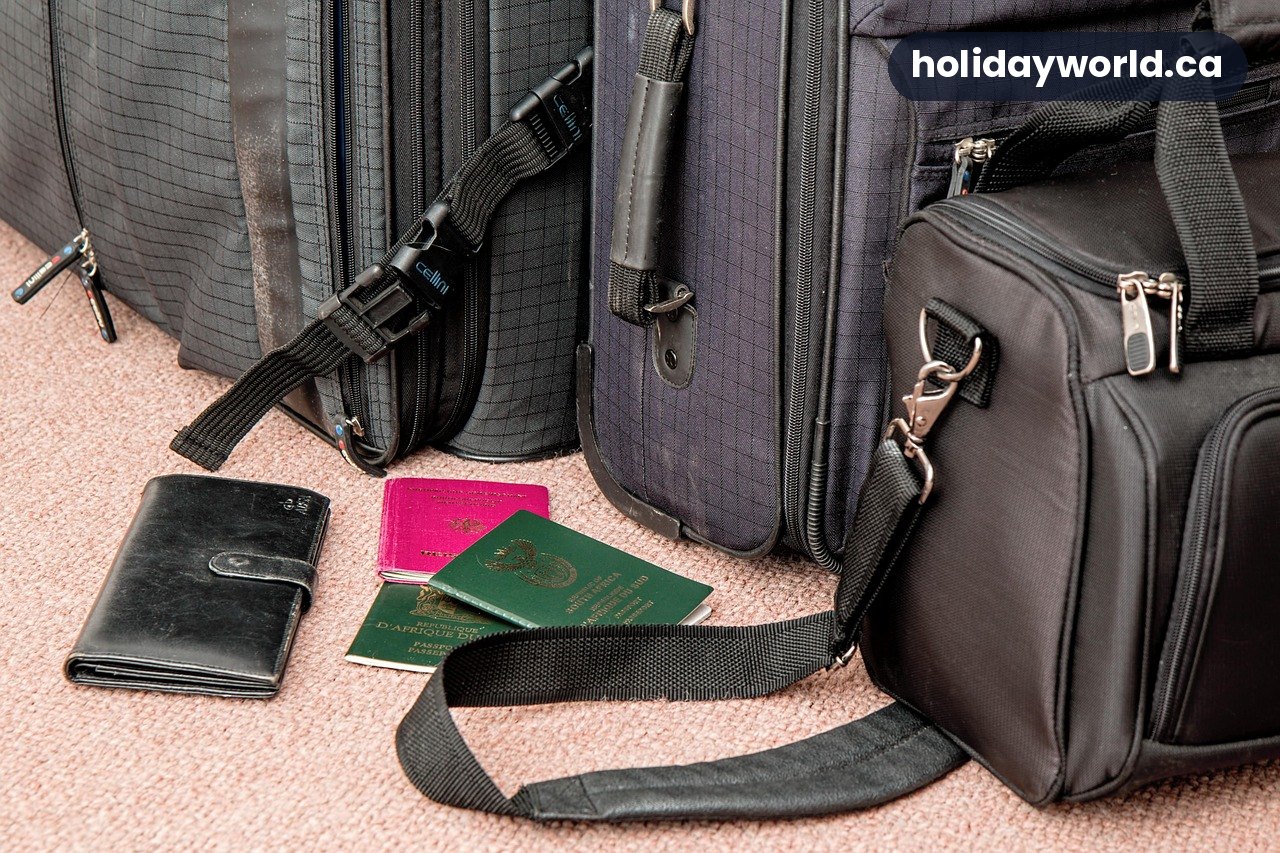
A well-packed carry-on can make a one-week trip easier, cheaper, and far less stressful, especially if you’re flying from Canada and want to avoid checked-bag fees. This packing list is for Canadian travellers heading out for a week-long city break, beach holiday, family visit, or work trip. It’s built around real airline limits, variable weather, and the simple goal of carrying only what you’ll actually use.
The best time to use a strict carry-on approach is any time you’re flying with a major Canadian airport such as Toronto Pearson, Vancouver, Calgary, Edmonton, or Montréal-Trudeau. Short trips in spring and fall are especially good candidates, since layers work well and you usually don’t need bulky clothing. If you’re shopping for last-minute items, plan to spend roughly $20 to $150 CAD depending on what you already own. Always check current bag rules with your airline before you go, because size and weight limits can change.
Start with the bag itself
The right bag matters as much as what goes inside it. Most airlines that serve Canadian travellers allow one personal item plus one carry-on, but the exact dimensions and weight limits vary. A soft-sided carry-on is often easier to fit in overhead bins, while a small backpack or tote can work well as your personal item.
For a one-week trip, choose a bag that is light when empty and easy to roll or carry through airports, train stations, and hotel lobbies. If you tend to overpack, a 40 to 45 litre carry-on is usually enough for a week if you pack smartly. If you’re travelling with kids or bringing extra items like camera gear, choose a bag with outside pockets and a simple layout so you can reach the things you need quickly.

Clothing that works for a full week
The trick is not to pack seven separate outfits. Pack a small set of mix-and-match clothes that can handle different temperatures and activities. Think in layers, not outfits.
What to pack
- 3 to 4 tops in colours that go with everything else you’re bringing
- 2 bottoms, such as trousers, jeans, a skirt, or shorts depending on the destination
- 1 light layer, such as a cardigan, fleece, or hoodie
- 1 travel outfit you can wear on the plane and again during the trip
- 1 nicer outfit if you may go out for dinner, a show, or a work event
- 1 sleep set and enough underwear and socks for the trip
- Comfortable shoes you can walk in for long periods
If you’re going somewhere warm, pack quick-drying clothes that don’t wrinkle easily. If your trip could swing cool at night, keep one long-sleeve layer and a compact jacket in your bag. Canadians heading from February through June or September through November often underestimate shoulder-season weather, especially in places with strong air conditioning or cool evenings.
A simple rule helps: if an item only works with one other piece, leave it out. If it can be worn at least twice in different combinations, it earns its spot.
Toiletries and personal items
Liquids are where many carry-on plans go wrong. Keep toiletries small, simple, and compliant with airline rules. In Canada, that usually means small containers and a clear resealable bag for liquids at security. If you’re not sure, check your airline and airport rules before you pack.
Essentials for the wash bag
- Toothbrush and toothpaste
- Deodorant
- Face cleanser and moisturiser in travel-size containers
- Sunscreen, especially for warm-weather destinations
- Basic medication in original packaging where possible
- Contact lenses or glasses, plus a spare pair if you need one
- Razor, hairbrush, and a small amount of hair products
Only bring what you’ll use in the first two or three days if you’re trying to keep the bag light. Most larger items can be bought at your destination if needed, often for about $10 to $30 CAD each, though prices vary widely. If you use prescription medicine, carry it in your hand luggage and keep a copy of the prescription if that’s practical.
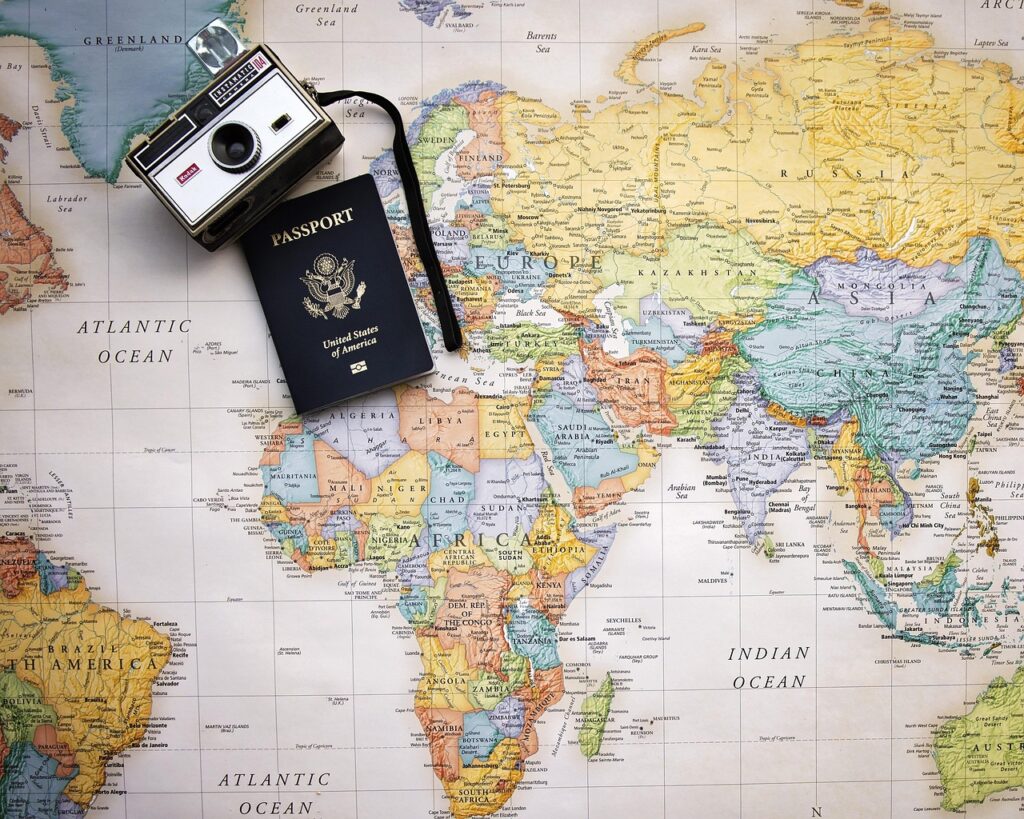
Tech, documents, and things you really shouldn’t forget
These are the items that can save a trip, or make it harder if you leave them behind. Keep them together in one pouch so they’re easy to reach at the airport and on arrival.
Must-pack essentials
- Passport and any required visas or travel authorisation
- Wallet with debit and credit cards
- Phone and charger
- Portable battery pack if you rely on your phone for boarding passes, maps, and bookings
- Headphones
- Travel insurance details and emergency contacts
- Printed or downloaded copies of your key reservations
For Canadians travelling outside the country, keep a digital copy of your passport and insurance information somewhere secure as a backup. If you’re crossing a border, rules can change, so check the Government of Canada travel advice at travel.gc.ca and official government and airline sources before you leave.
If you’re flying from Toronto, Vancouver, Calgary, Edmonton, or Montréal, a portable charger can be especially helpful on long travel days with layovers or delays. Prices for a decent power bank are often around $25 to $80 CAD, depending on capacity and brand.
What to wear on the plane
Air travel is easier when you dress for comfort and flexibility. Plan for a cabin that may feel too cold, then too warm. A simple travel outfit can do double duty and save space in your bag.
A good flying outfit usually includes stretchy trousers or leggings, a top that layers well, a light jacket or hoodie, and shoes you can slip on and off easily. If you’re flying overnight or on a long-haul route from Canada to Europe, Asia, or the Caribbean, bring a scarf or small wrap. It can work as an extra layer, a blanket substitute, or even a pillow support.
Avoid packing anything you’d hate to wear again if your luggage is delayed and you have to repeat the outfit the next day. That’s a simple way to decide what belongs in your carry-on and what doesn’t.
How to keep a one-week bag from getting too full
Space disappears fast, especially when you add souvenirs, extra shoes, and “just in case” items. The best approach is to pack in stages and stop before the bag feels stuffed.
- Lay out everything first and remove duplicates. If you packed three similar tops, cut it to two.
- Choose one colour family so all your tops and bottoms work together.
- Use packing cubes or simple pouches to separate clothing, toiletries, and tech.
- Wear your bulkiest items on travel day, such as sneakers or a jacket.
- Keep one small space open for items you may buy while away.
If you’re heading to a destination with beaches, pools, or lots of walking, one pair of versatile shoes often beats two or three specialty pairs. The same goes for accessories. A few useful pieces are better than a bag full of extras that never leave the hotel.
Carry-on packing by trip type
A one-week trip doesn’t look the same for everyone. A beach escape, city break, and family trip each need a slightly different list. The core idea stays the same: pack fewer things, but choose them carefully.
For a city break
Bring comfortable shoes, a compact outer layer, one smarter outfit, and a bag that’s easy to carry around all day. City travellers often walk more than they expect, so broken-in footwear matters. If your trip includes museum visits, restaurant dinners, or public transit, a lightweight crossbody bag can help keep essentials close.
For a beach or resort trip
Pack swimwear, sandals, sunscreen, a sun hat, and a cover-up that can be worn off the beach too. You may still need a light sweater for restaurants or evenings. One simple trick is to choose quick-dry clothes, especially if you’re only bringing carry-on luggage and doing laundry by hand or in a hotel sink.
For a family trip
Children often need a separate small bag with snacks, entertainment, medication, and a change of clothes. Keep each child’s essentials grouped together so you’re not digging through one big family bag at security. If you’re flying from a Canadian airport with young children, give yourself extra time. That alone reduces stress more than any packing hack.
Approximate budget for carry-on travel
Here’s a rough idea of what a one-week carry-on trip might cost in Canadian dollars if you need to buy a few items before departure. Check current prices, because travel gear and toiletries vary a lot by brand and store.
- Carry-on bag: about $60 to $250 CAD
- Personal item or day bag: about $25 to $120 CAD
- Packing cubes or organisers: about $15 to $50 CAD
- Travel-size toiletries and refill containers: about $10 to $40 CAD
- Portable charger: about $25 to $80 CAD
- Travel clothing basics you still need to buy: about $50 to $200 CAD or more
If your airline charges for checked baggage, carrying on can save a family or couple a noticeable amount, especially on shorter trips. Even one avoided checked bag can make the upfront cost of a better carry-on worth it.
Practical tips before you leave Canada
- Check your airline’s carry-on rules again the day before you fly. Limits can differ by fare type.
- Pack valuables in your personal item, not in the overhead bag.
- Keep liquids easy to remove at security so screening goes faster.
- Leave room for medication, documents, and one set of spare clothes.
- Use a luggage scale at home if you have one. It’s cheaper than repacking at the airport.
- Download boarding passes and maps before you leave home in case airport Wi-Fi is slow.
- Check entry rules and health guidance with official sources before departure, including travel.gc.ca.
For one-week trips, the best carry-on is the one that lets you move quickly and pack without second-guessing yourself. Start with the essentials, keep the clothing simple, and leave a little empty space. That way your bag works for the whole trip, not just the first day.
Frequently asked questions
Can you pack for a full week in a carry-on?
Yes, most travellers can. The key is to pack clothes that mix and match, limit shoes, and keep toiletries small. If your destination has laundry access, packing becomes even easier.
How many outfits do I really need for seven days?
Usually fewer than you think. Three to four tops, two bottoms, one light layer, and one nicer outfit are often enough if you repeat pieces in different combinations.
What should go in my personal item instead of my carry-on?
Put your passport, wallet, phone, chargers, medication, valuables, and one change of clothes in your personal item. Anything you’d need if your carry-on were delayed should stay close to you.
What if I’m flying from Canada in winter?
Wear your bulkiest items on the plane and pack layers you can adjust once you arrive. If you’re heading somewhere warm, keep a jacket and closed-toe shoes handy for the journey to and from the airport.